Budget Kids Room Design: 5 Smart, Affordable Upgrades
How can I design a kids room on a budget?
Start by deciding what the room needs to do every day: sleep, play, homework, and storage. When you plan around those functions, you can spend less on “extra” pieces and more on a few essentials that last—like a sturdy bed, a safe rug, and smart storage.
1) Build the room around storage zones (not more furniture)
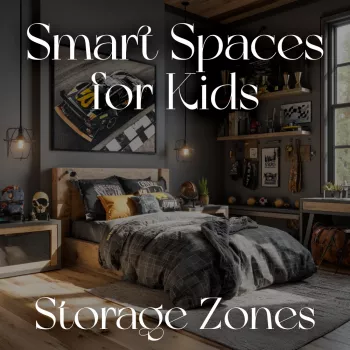
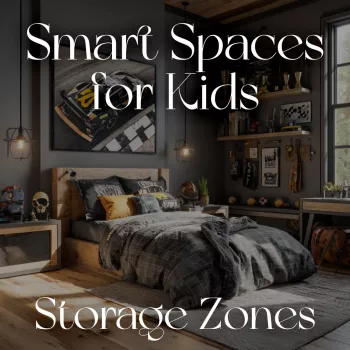
The fastest way to make a kids room feel put-together without spending more is to organize by zones: a place for clothes, a place for toys, a place for books/crafts, and a simple drop spot for backpacks. Use what you already have first (baskets, bins, even shoeboxes), then add only what’s missing. For a practical zone-by-zone setup, see this guide to kids room storage zones and easy organization.
2) Choose one “hero” item, keep the rest simple
Pick a single focal point that feels special—like fun bedding, a colorful washable rug, or a bold peel-and-stick accent wall. Keep big furniture neutral and inexpensive so you don’t have to replace it when tastes change.
3) Shop your home and buy secondhand strategically
Nightstands can be small stools, a dresser can double as a changing station, and floating shelves can replace bulky bookcases. For secondhand buys, prioritize solid wood dressers, bed frames, and storage cubes—then refresh them with new knobs or a quick coat of paint for a clean, coordinated look.
4) Use lighting to upgrade the room for cheap
Layer light with an overhead fixture plus one task lamp (desk or bedside). A warm bulb instantly makes the room feel calmer, while a clip-on reading light can eliminate the need for a pricier nightstand lamp.
5) Keep decor flexible and kid-proof
Frame printable art, hang a few hooks at kid height, and use clear or labeled bins so cleanup is quick. When everything has a home, the room looks “finished” even when life is busy.
FAQ
How to make a room look expensive on a budget?
Stick to a tight color palette, swap in matching hardware (knobs/pulls), and add layered lighting. One oversized rug or curtain set can make the whole space feel more polished than lots of small decor.
How to make a small kids room?
Use vertical storage (shelves, hooks, tall bookcases) and choose furniture that does double duty, like a bed with drawers or a dresser that also serves as a changing top. Keep the floor as open as possible with wall-mounted lighting and fewer, larger storage bins.
What is the size of a small kids room?
A small kids room is often around 70–100 square feet (for example, 7×10 or 8×10). Rooms under that can still work well with compact furniture and strong vertical storage.










Leave a comment
You must be logged in to post a comment.