Help Kids Let Go of Stuffed Animals Without Tears

How do you get a child to let go of stuffed animals and sentimental toys during decluttering?
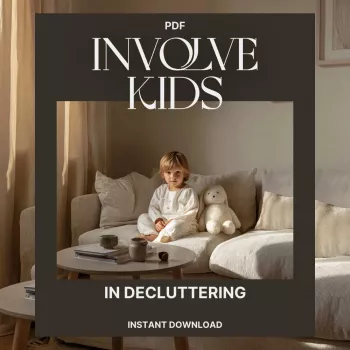
Start by treating sentimental toys like feelings, not clutter. Kids often keep stuffed animals because they represent comfort, routines, or memories. Decluttering goes smoother when the goal is “choose what we keep” instead of “get rid of things.”
Lead with choice and a small boundary
Offer a clear limit that feels fair: a “keep basket,” one shelf, or a single bin for stuffed animals. When the container is full, your child gets to decide which ones make the cut. This turns a vague, emotional task into a concrete game of favorites.
Use a gentle sorting method
Try three piles: Love Daily (sleeping buddies), Love Sometimes (seasonal or occasional), and Ready to Share (donate/pass along). If “donate” feels too final, label the third pile “help another kid” to connect it to kindness rather than loss.
Give sentimental toys a respectful “next step”
Some items don’t need to stay in the main play area to be honored. Ideas that work well:
- Memory box: one small bin for truly special toys.
- Photo goodbye: take a picture of the toy and write one sentence about it.
- Rotation: keep a few out and store the rest; swap weekly.
Make it predictable and low-pressure
Set a short timer (5–10 minutes), then stop while things are still calm. If your child freezes, offer two options (“keep in the bin” or “put in the share bag”) instead of open-ended questions. Praise the decision-making, not the amount removed.
For more kid-friendly, no-drama approaches that keep decluttering moving, see this decluttering games guide.
FAQ
What should I do if my child refuses to donate any toys?
Start with an easier win: recycle broken items, toss obvious trash, and set a small container limit for “keepers.” If donating is too hard, use a “maybe box” with a date—if they don’t ask for those toys after a few weeks, it’s usually easier to let them go.













Leave a comment
You must be logged in to post a comment.