Stress Dreams: Signs, Common Themes, and What Helps
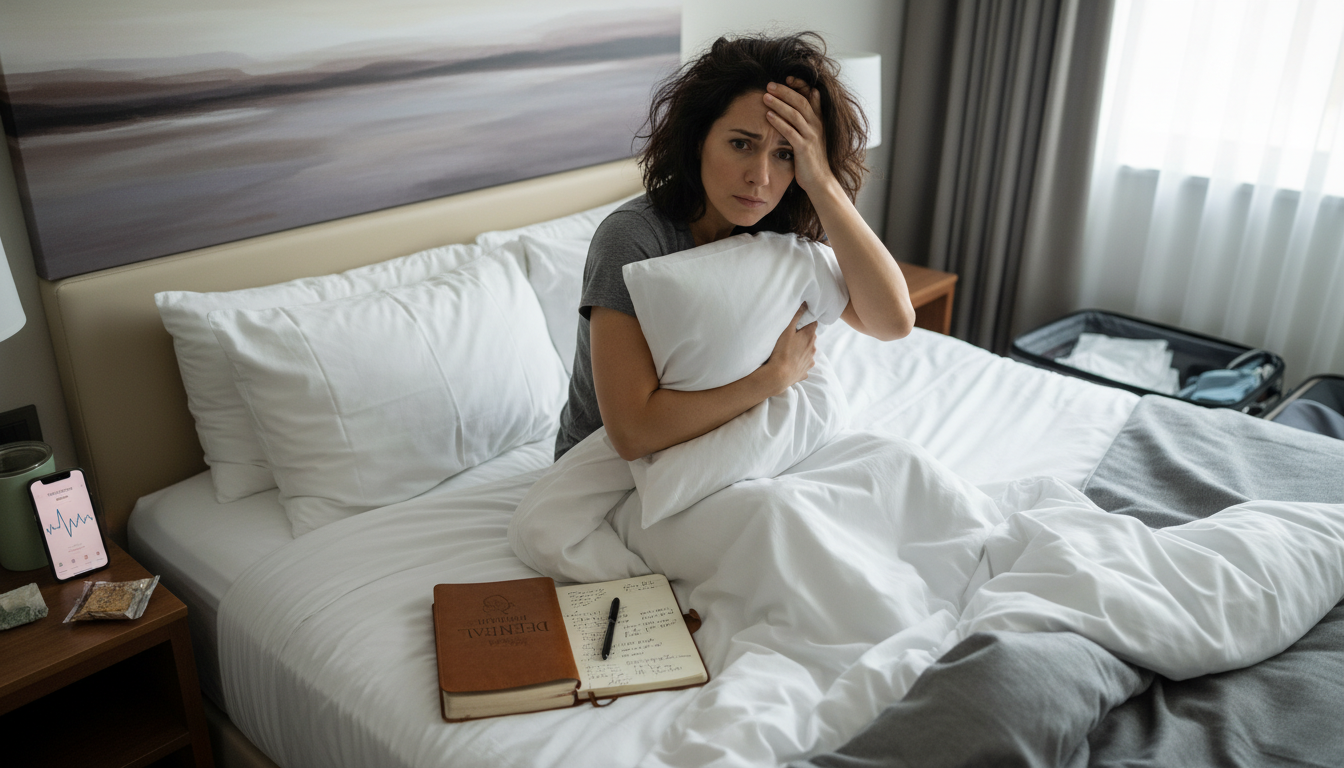
How do you know if you’re having stress dreams?
Stress dreams are often less about what you see and more about how you feel. A key sign is waking up with lingering tension—racing thoughts, a tight chest, clenched jaw, or a “wired” feeling—even if you slept for a normal number of hours. You may also notice that the dream theme mirrors pressure from daily life: deadlines, conflict, uncertainty, or feeling judged.
Common patterns that point to stress dreams
While everyone’s dreams vary, stress dreams tend to repeat a few familiar setups. You might dream about being unprepared (showing up late, forgetting something important, failing a test), losing control (car brakes not working, falling, being chased), or being overwhelmed (can’t find your way, can’t speak, can’t finish a task). If the same scenario returns during a high-pressure season, that’s another strong clue.
Clues you can spot after you wake up
Stress dreams often come with a noticeable after-effect. You may wake up suddenly, feel restless, or have trouble falling back asleep. Some people report sweating, a fast heartbeat, or shallow breathing. Another sign is “emotional spillover”—you’re irritable, anxious, or unusually sensitive in the morning because your nervous system didn’t fully downshift overnight.
When stress dreams are more likely to show up
They commonly appear when your body is carrying extra load: major life changes, high workload, travel, too much caffeine or alcohol close to bedtime, or inconsistent sleep schedules. They can also cluster when you’re not getting enough deep sleep and REM balance—stages that help regulate mood and process emotions.
What to do if they’re frequent
If stress dreams are happening often, focus on calming your pre-sleep routine and protecting sleep quality. A consistent bedtime, a wind-down buffer (dim lights, gentle stretching, journaling), and keeping screens and late stimulants in check can reduce intensity over time. For a deeper look at how REM, deep sleep, and relaxation support recovery, see this guide to sleep for stress relief.
FAQ
Can stress dreams cause you to wake up tired?
Yes. Even if you’re asleep for enough hours, vivid or upsetting dreams can fragment sleep and keep your body in a more alert state, leading to grogginess and low energy the next day.
















Leave a comment
You must be logged in to post a comment.