Is AI Good for Meal Planning? Pros, Cons & Tips
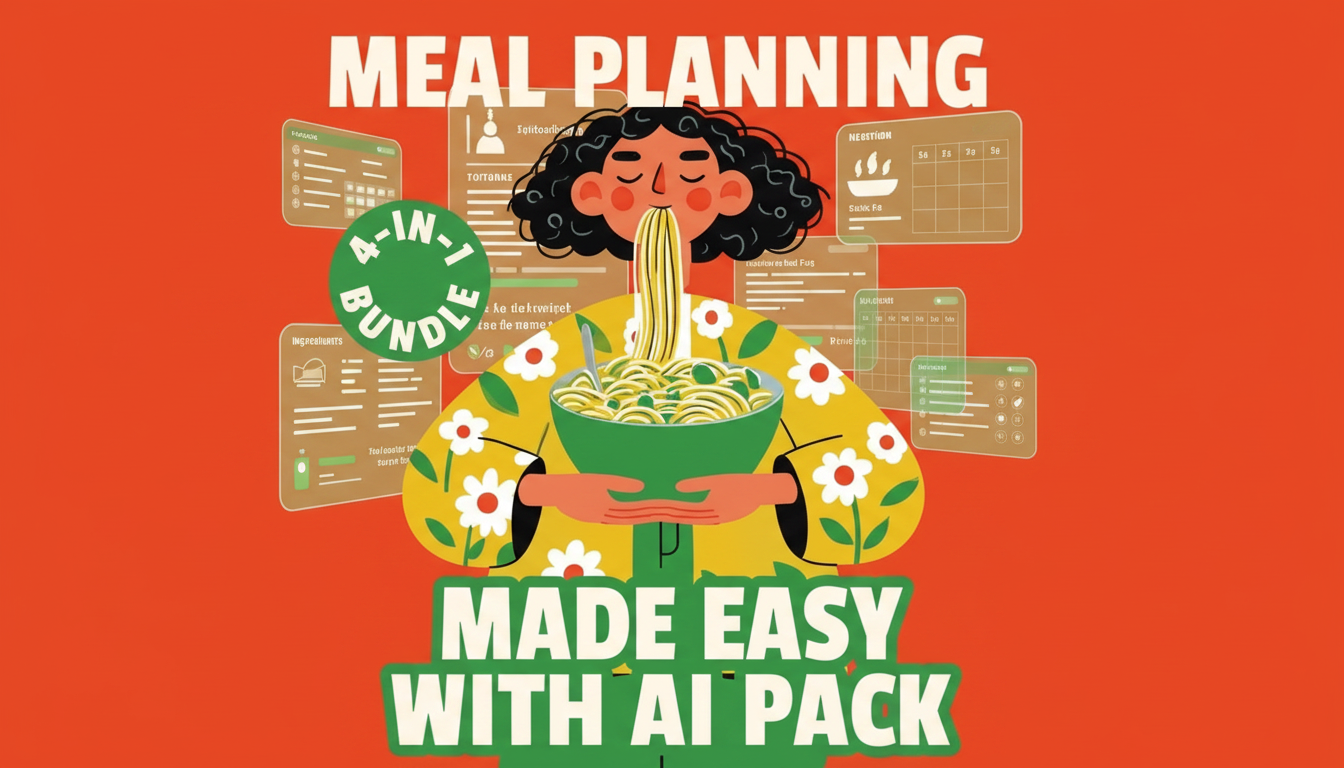
Is AI good for meal planning?
Yes—AI can be very good for meal planning when it’s used as a practical assistant rather than a “set it and forget it” solution. It can speed up the hardest parts of planning (coming up with ideas, balancing variety, and organizing a grocery list) while still letting you make the final calls based on your household’s tastes, schedule, and budget.
How AI helps with real-life meal planning
Most people don’t struggle because they can’t cook—they struggle because decisions pile up. AI reduces that friction by generating meal ideas from simple inputs like dietary preferences, time limits, and what’s already in the fridge. It can also rotate proteins and cuisines so the week doesn’t feel repetitive, and it can suggest easy substitutions when an ingredient is expensive or unavailable.
Where AI shines
AI is especially useful for building a week of dinners that share ingredients (so you waste less), scaling recipes up or down, and turning a rough plan into an organized shopping list. If you’re juggling work, kids’ activities, or inconsistent schedules, those small efficiencies add up quickly.
Where you still need to double-check
AI isn’t a registered dietitian, and it can miss details like sodium levels, exact calorie targets, or medical restrictions. It can also suggest combinations that sound fine on paper but don’t match your family’s “actually will eat” reality. The sweet spot is using AI for structure and options, then applying common sense for nutrition, food safety, and preferences.
Tips for getting better results
Start with constraints: number of dinners, cooking time, budget range, and any hard “no” foods. Add one or two “anchors” (like Taco Tuesday or a sheet-pan night) to reduce decision fatigue. Then ask for a plan that reuses ingredients across meals and includes a categorized grocery list. For a step-by-step approach and done-for-you help, see this AI meal planning guide.
FAQ
Can AI help make a grocery list from a meal plan?
Yes. Many AI tools can turn a weekly menu into a consolidated shopping list, often grouped by categories like produce, pantry, and proteins so shopping is faster and less scattered.















Leave a comment
You must be logged in to post a comment.