AI Feng Shui Tools: What They Can (and Can’t) Do

Is there an AI for Feng Shui?
Yes—there are AI-powered tools that can help with Feng Shui by analyzing room layouts, suggesting furniture placement, and flagging common flow issues that affect comfort and balance. While they don’t replace a seasoned Feng Shui consultant (especially for personalized elements like your home’s history or nuanced bagua interpretations), they can be surprisingly useful for everyday decisions like where to place a desk, how to open up a tight walkway, or how to reduce visual clutter.
What an “AI for Feng Shui” can do well
Most AI Feng Shui tools work like smart space planners. You feed them a floor plan, room measurements, photos, or a simple sketch, and they return layout ideas aligned with principles like clear pathways, supportive seating positions, and calmer sightlines. Many also incorporate interior design logic—traffic flow, proportion, and lighting—because these elements overlap with Feng Shui goals such as ease of movement and an inviting feel.
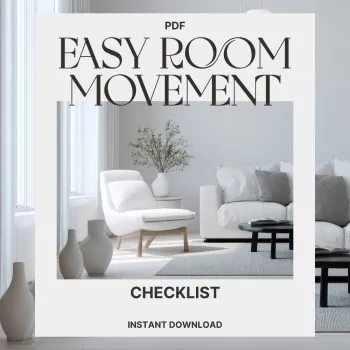
If you want to focus on the practical side of Feng Shui—how a room “moves”—a strong starting point is improving circulation. A simple way to evaluate this is to use a room-flow checklist and adjust furniture until the space feels effortless to navigate. For a step-by-step approach, visit this room flow checklist guide.
Where AI Feng Shui tools can fall short
AI recommendations are only as good as the inputs. If measurements are off, door swings aren’t noted, or the photos don’t show key problem areas, suggestions may miss what actually creates tension in the space. Also, traditional Feng Shui can involve compass directions, time-based systems, and personalized factors that many general tools don’t handle accurately.
How to use AI Feng Shui suggestions effectively
Use AI to generate 2–4 layout options, then judge them with real-world tests: Can you walk through without sidestepping? Do doors open fully? Does seating feel supported (a wall behind you) and not exposed to heavy traffic? Treat the AI as a fast brainstorming partner, then refine based on comfort and daily habits.
FAQ
What is the easiest way to improve Feng Shui without buying anything?
Clear pathways and reduce “pinch points” where you constantly squeeze past furniture. Small shifts—like moving a chair a few inches or widening a walkway—often create the biggest difference in how a room feels.














Leave a comment
You must be logged in to post a comment.