Baby Crying for 10 Minutes: What It Means + When to Worry
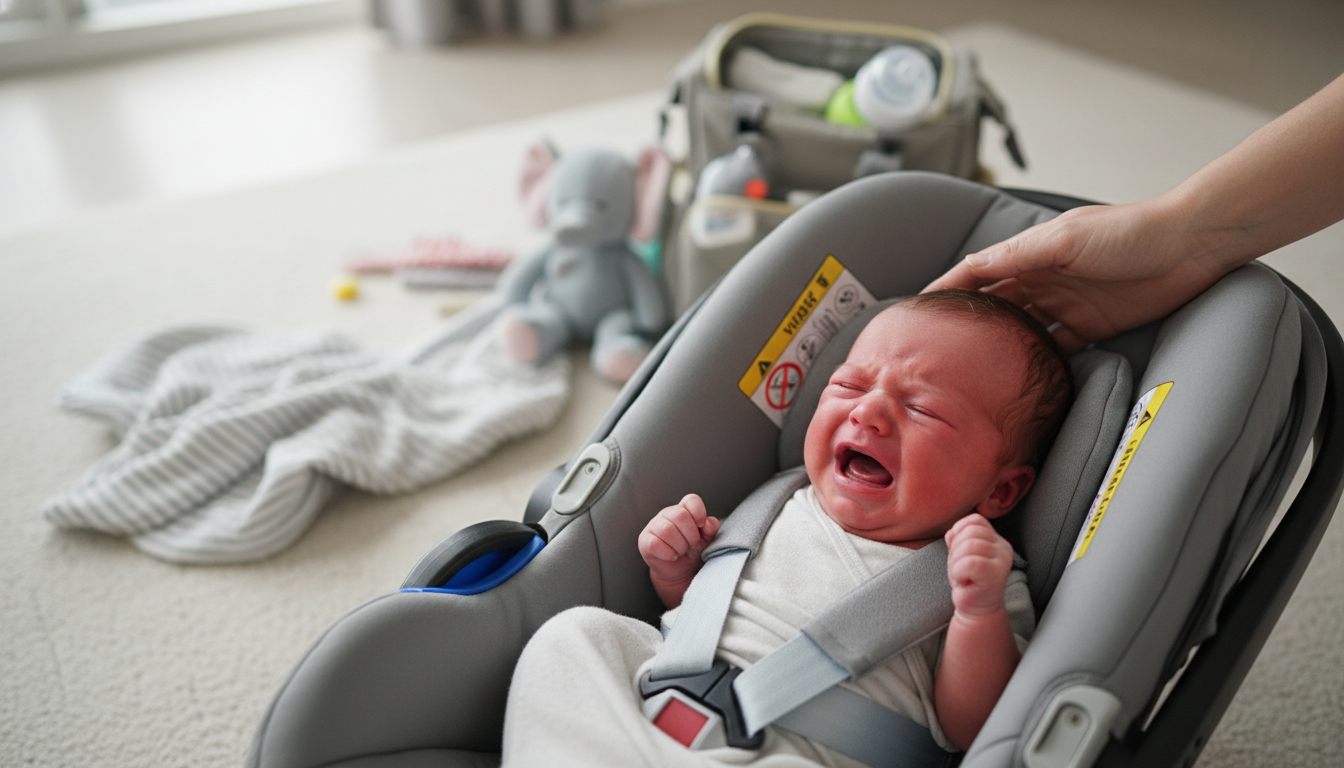
What happens if your baby cries for 10 minutes?
Ten minutes of crying can feel endless in the middle of the night, but for many babies it’s a brief “power-down” period as they transition between sleep cycles, release tension, or signal a simple need. In most situations, a short stretch of crying won’t harm a healthy baby. What matters more is the pattern (how often it happens), the intensity (mild fussing versus panicked screaming), and whether there are signs of illness or distress.
What 10 minutes of crying can mean
Babies cry to communicate, and a 10-minute bout often points to a common cause: hunger, a wet diaper, being too hot or cold, gas, reflux discomfort, overtiredness, or needing help resettling. Older babies may also cry briefly when they wake and then fall back asleep on their own—especially if they’re learning independent sleep skills.
What’s happening in your baby’s body
Crying triggers a stress response, and you may notice a red face, stiff limbs, or hiccups afterward. For short episodes, most babies recover quickly once comforted. If your baby regularly cries hard for long stretches or seems difficult to console, it may be a sign to adjust feeding, burping, bedtime timing, or the sleep environment.
What you should do during those 10 minutes
Start with a quick safety and comfort check: make sure your baby is on their back in a safe sleep space, the room temperature is comfortable, and there’s no obvious issue like a soiled diaper or hair tourniquet. If your baby is escalating or sounds unusual, go in and soothe. If it’s light fussing, you can pause briefly to see whether they resettle, then respond if the crying continues.
When 10 minutes is a red flag
Contact a pediatrician urgently if crying is paired with fever (especially in young infants), trouble breathing, bluish lips, vomiting, a swollen belly, a rash, dehydration signs (fewer wet diapers), poor feeding, lethargy, or a high-pitched, inconsolable cry. Trust your instincts—if something feels “off,” get help.
For age-by-age reasons babies cry at night and gentle ways to soothe without overstimulating, see this guide on why babies cry at night.
FAQ
How can I tell if my baby is crying from gas or hunger?
Hunger cries often build steadily and may come with rooting or sucking on hands, while gas discomfort may look like pulling legs up, a tight belly, or crying that spikes after feeds. If feeding doesn’t help and burping or bicycling legs does, gas is more likely.
















Leave a comment
You must be logged in to post a comment.