Best AI Tool for Ads: A Repeatable Creative Workflow
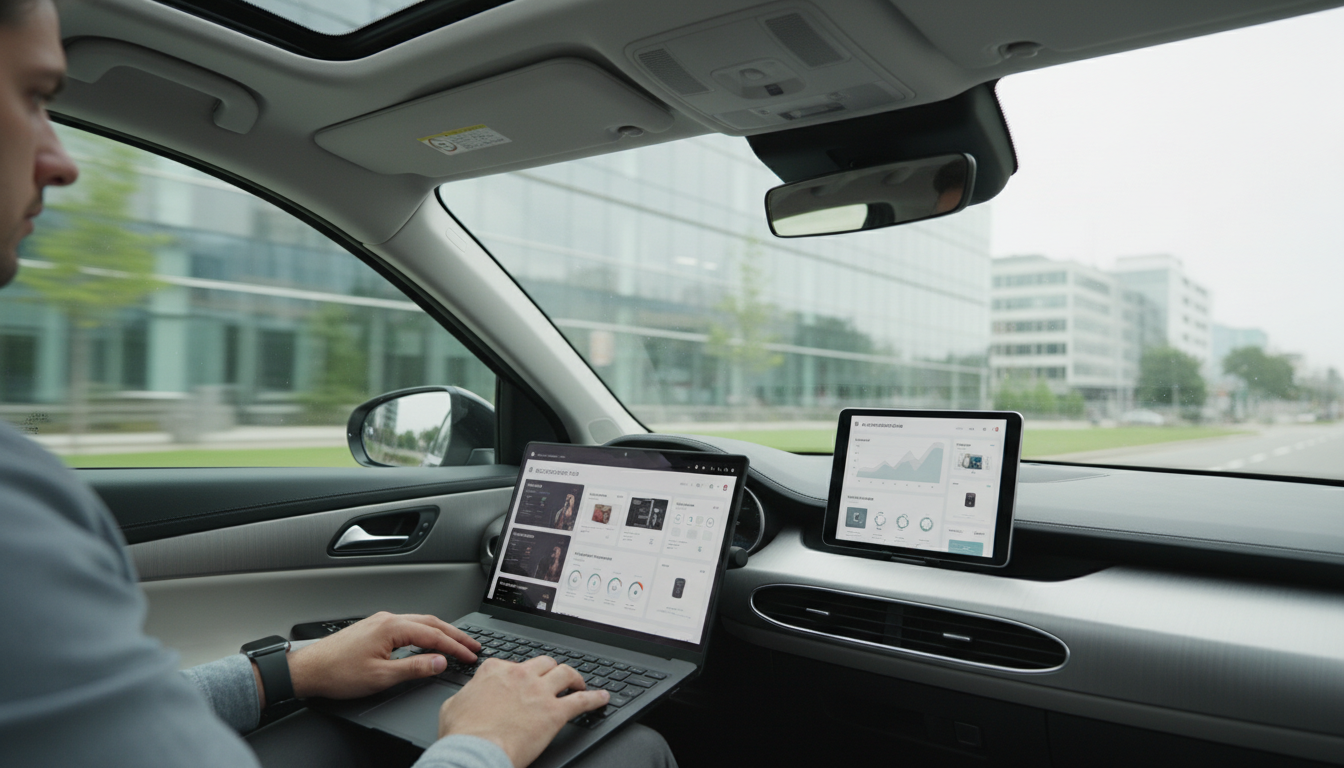
What is the best AI tool for ads?
The best AI tool for ads is the one that reliably turns your product catalog into on-brand creatives, tests variations quickly, and helps you pick winners using repeatable criteria. For many e-commerce teams, the most effective setup isn’t a single all-in-one app—it’s a workflow that combines: (1) strong ad image selection, (2) rapid iteration on creative variants, and (3) clear performance feedback loops.
If the goal is better ad results with less guesswork, focus on tools that help you do three things well: choose the right images, tailor assets to placements, and scale variation without losing brand consistency.
What to look for in an AI ad tool
Creative selection support: The fastest lift often comes from choosing stronger images before spending on traffic. Tools and workflows that score, categorize, or standardize how you select ad images reduce wasted tests and shorten time-to-winning creative.
Placement-ready outputs: The best solutions make it easy to produce versions for common placements (feed, stories, reels, display) while keeping key product details readable and the composition clean.
Repeatable iteration: You’ll get more value from an AI tool that helps you create controlled variations (background, crop, headline space, lifestyle vs. studio) than one that generates random “cool” images that don’t align with the product page.
Brand guardrails: Look for ways to keep colors, typography, and product representation consistent so your ads don’t drift from what shoppers actually receive.
A practical “best” answer for e-commerce teams
For most advertisers, the “best” option is an AI-assisted creative workflow that standardizes ad image selection and makes results repeatable across campaigns and products. A strong example is the process laid out in this guide to AI ad image selection with a repeatable workflow, which focuses on making smarter creative choices consistently rather than chasing one-off wins.
FAQ
How do you choose the best images for AI-generated ad creatives?
Start with images that clearly show the product, fit the offer, and match the shopper’s expectations on the landing page. Then test structured variations (crop, background, lifestyle vs. studio) so performance differences are attributable to one change at a time.










Leave a comment
You must be logged in to post a comment.