Thick Silk Fabric Names: Crepe, Faille, Mikado & More

What is thick silk fabric called?
Thick silk fabric is commonly called heavy silk crepe, but the exact name depends on the weave and the finish. In stores and product descriptions, you’ll also see several other “thick silk” options that are structured, opaque, and designed to hold their shape better than lightweight silks like chiffon or habotai.
Here are the most common names used for thick or heavyweight silk:
Heavy silk crepe (crepe silk)
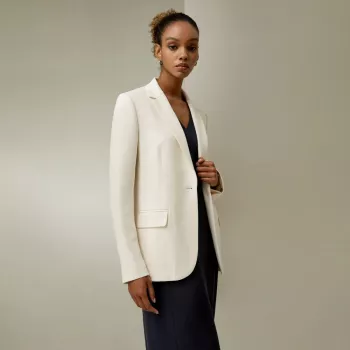
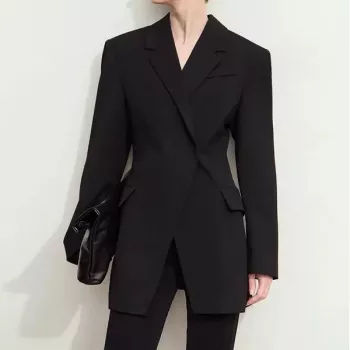
Silk crepe gets its subtle pebbled texture from tightly twisted yarns. When it’s made in a heavier weight, it drapes cleanly while still feeling substantial—great for tailored pieces and elevated everyday wear. For a closer look at how it performs in a structured garment, see this guide to a heavy silk crepe blazer.
Silk faille
Faille is a ribbed weave with a crisp hand and noticeable body. It’s a go-to for garments that need structure (think A-line skirts or formal jackets) without looking stiff.
Duchesse satin (silk duchess satin)
Duchesse satin is a classic thick satin with a smooth, lustrous face and a firm feel. It’s often used for formalwear because it holds silhouettes beautifully.
Silk mikado
Mikado is a heavier, structured silk—sometimes blended—that’s prized for its sculptural shape. It’s frequently used in bridal and occasion pieces where volume and clean lines matter.
Silk gazar
Gazar is a crisp, airy-but-sturdy silk with a distinctive “snap.” Even though it can feel light, it’s considered a thick/structured silk because it stands away from the body.
Silk shantung
Shantung is recognizable by its natural slubs and slightly crisp texture. It’s medium to heavy in many cases, offering body with a more organic, textured look.
For Thick Silk Fabric Names: Crepe, Faille, Mikado & More, the best answer depends on fit, material, care instructions, and how the product will be used day to day.
FAQ
How do you choose a thick silk for a blazer?
Look for heavier weights like silk crepe, faille, or mikado for better structure and less show-through. Prioritize fabrics that resist wrinkling and have enough body to support tailoring details like lapels and seams.













Leave a comment
You must be logged in to post a comment.