After a Cactus Flower Blooms: Remove It or Let Fruit Form
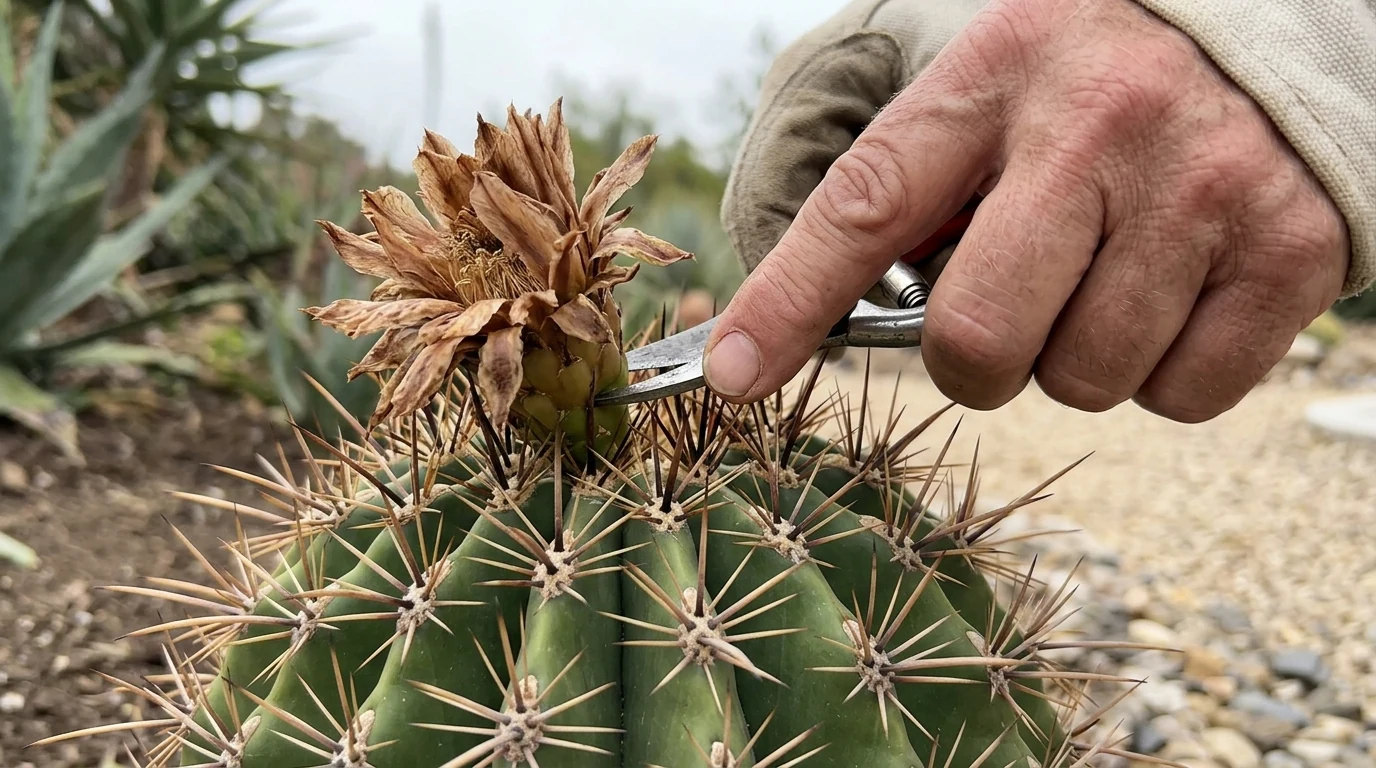
What to do with a cactus flower after it blooms?
Once a cactus flower has finished its show, your next step depends on whether you want seed/fruit or you’re focused on keeping the plant tidy and healthy. Start by watching the bloom: when petals wilt, turn papery, or drop, the flower is spent.
Leave it in place if you want fruit or seeds
Many cacti will form a small fruit or seed pod at the base of the flower if pollinated. If you notice swelling where the flower attaches, let it stay. Keep your usual care routine—bright light, careful watering, and good airflow—so the developing fruit doesn’t rot. When fruit ripens, it often loosens easily or changes color; harvest gently and clean seeds if you plan to sow.
Remove the spent flower for a cleaner plant
If no fruit is forming (or you don’t want it), removing the dried flower can help prevent mold and pests. Wait until it’s fully withered, then:
1) Use clean, sharp scissors or pruners, or twist it off gently if it releases easily.
2) Avoid tearing green tissue—take only the dead bloom and its thin stem.
3) Let the area stay dry for a day or two; don’t water directly onto the fresh cut.
Check for rot or pests afterward
A spent bloom can trap moisture. After removal, inspect the base for soft spots, blackening, or fuzzy growth. If you see rot, trim back to firm tissue with sterilized tools and keep the cactus on the dry side until the wound calluses.
Keep the cycle going
Blooming takes energy. After flowering, give the cactus steady light and avoid overwatering. For more context on cactus-flower care and timing, visit this cactus flower guide.
For After a Cactus Flower Blooms: Remove It or Let Fruit Form, the best answer depends on fit, material, care instructions, and how the product will be used day to day.
FAQ
Should I deadhead cactus flowers?
Yes if you’re not trying to get fruit or seeds. Once the flower is fully wilted, removing it helps keep the plant clean and reduces the chance of mold around the dried petals.















Leave a comment
You must be logged in to post a comment.