Sleep AI Explained: How AI Tracks and Improves Rest
What is sleep AI?
Sleep AI is the use of artificial intelligence to analyze sleep-related data and turn it into practical insights about how well you’re resting. Instead of only logging basic stats like bedtime and wake time, sleep AI looks for patterns across signals such as movement, heart rate trends, breathing changes, and sleep timing to estimate sleep stages and identify what’s helping or hurting recovery.
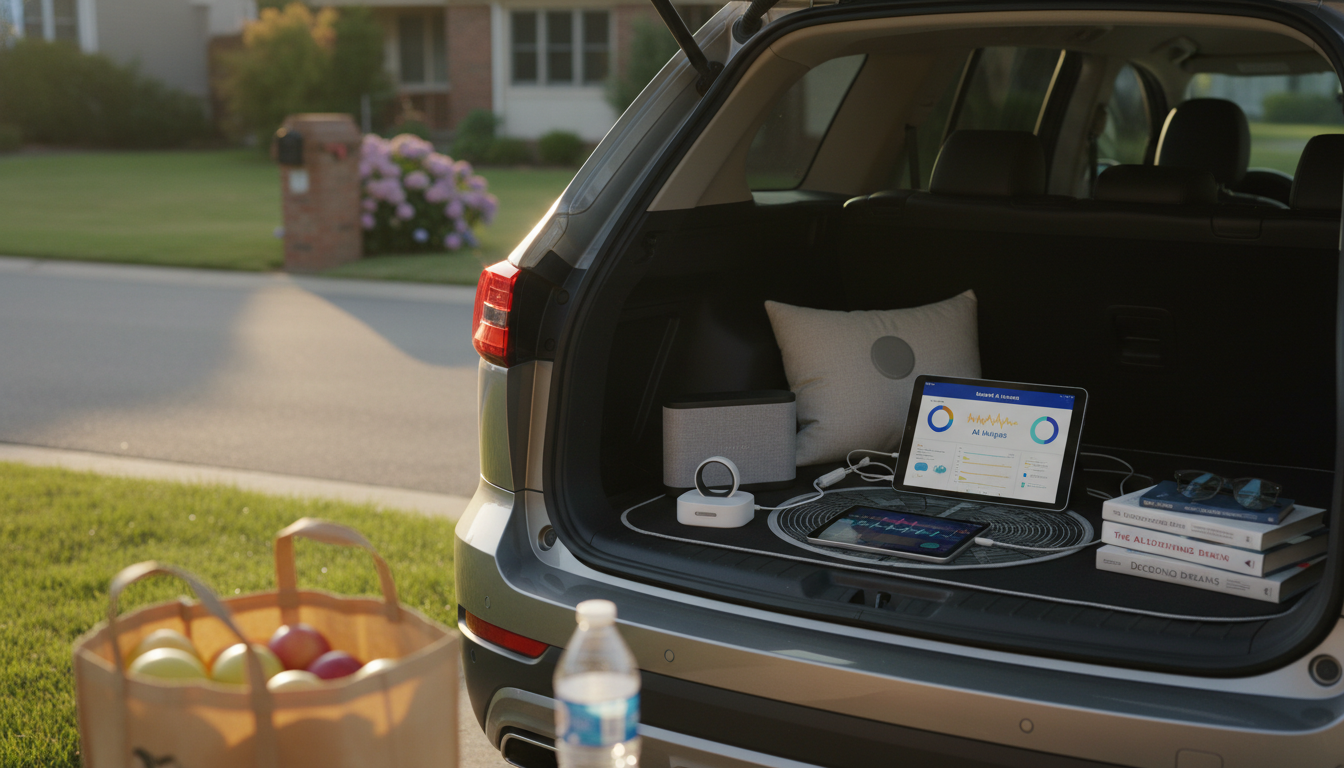
In most consumer tools, sleep AI works through a wearable (like a ring or watch), a phone app, or a bedside device that collects raw sensor data. Machine-learning models then compare those signals to large datasets to infer things like time asleep, restlessness, REM/light/deep sleep estimates, and consistency of your schedule. The result is usually a nightly “sleep score,” plus trend charts that highlight what changes from day to day.
How does sleep AI help improve rest?
The main value of sleep AI is personalization. It can connect your sleep quality to habits and environment—such as late caffeine, alcohol, workouts, stress, room temperature, or irregular bedtimes—so you can see which factors correlate with better nights. Many systems also provide coaching suggestions, reminders, and goal-setting based on your own baseline rather than generic averages.
Sleep AI is also useful for spotting long-term shifts. A single bad night may not matter much, but a slow decline in duration, increased nighttime awakenings, or worsening recovery metrics can signal that something in your routine (or health) has changed.
What sleep AI can’t do
Sleep AI isn’t a medical diagnosis. Consumer sleep-stage tracking is an estimate, not the same as a clinical sleep study (polysomnography). If you suspect sleep apnea, chronic insomnia, or excessive daytime sleepiness, it’s best to bring your trends to a clinician and get evaluated.
Learn more
For a deeper look at how AI sleep tracking works and how to use the data to build better nights, read this guide to AI sleep tracking.
FAQ
Is AI sleep tracking accurate?
It can be fairly consistent for sleep duration and timing, but sleep stages are estimates that vary by device, sensors, and algorithms. Accuracy improves when you focus on trends over weeks rather than any single night’s score.















Leave a comment
You must be logged in to post a comment.