Plush Hoodie Vest for Small Pets: Winter Fit & Care
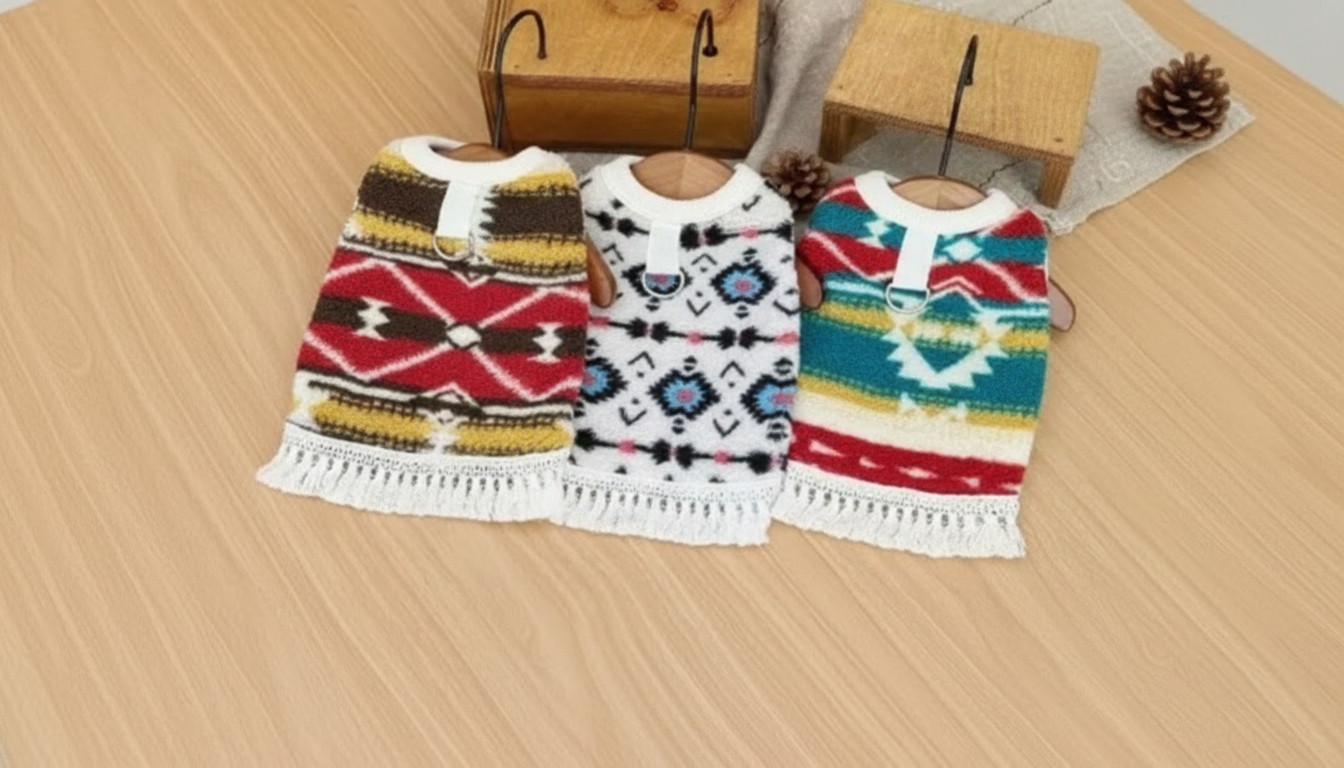
Cold-Weather Comfort for Small Pets
Cold snaps can feel extra intense for small dogs and cats—especially pets with short coats, low body fat, or senior joints that stiffen up quickly. A plush, hoodie-style vest adds warmth without the bulk of heavy winter coats, helping reduce drafts around the chest and belly (two areas that often lose heat fast). When the fit is right, it can keep winter potty breaks, quick walks, and chilly indoor lounging a lot more comfortable.
If you’re looking for a warm, easy layer for everyday wear, the Cozy Winter Dog Vest Plush Hoodie with Tassel for Small Dogs & Cats is designed for snug insulation and simple, throw-on convenience.
Why a Plush Hoodie Vest Helps in Winter
- Adds insulation where it matters most: Small, short-coated, senior, and low-body-fat pets tend to chill faster. A plush vest adds a heat-holding layer without weighing them down.
- Can reduce shivering and stiffness: Tiny breeds are closer to cold ground, and brisk air can tighten muscles. A warm vest helps take the edge off during short outings.
- Comfort-first movement: Compared with thicker coats, a soft vest can feel less restrictive through the shoulders, encouraging more natural steps.
- Extra neck coverage: A hoodie-style design can help protect the neck area when properly fitted (not tight or bunching).
Features to Look For in a Cozy Pet Hoodie
- Soft plush fabric: Warm to the touch and gentle on skin, especially for pets prone to dryness in winter.
- Easy-on, easy-off construction: Simpler dressing is helpful for wiggly puppies, nervous rescues, and cats who dislike being handled for long.
- Smart coverage: Look for chest and upper-belly coverage while keeping the shoulders free for a full stride.
- Safe trims and decorations: Tassels and accents should be securely attached and short enough to reduce chewing risk or tangling.
- Comfortable arm openings and hems: The vest shouldn’t rub under the armpits or pinch when your pet sits and stands.
Size, Fit, and Comfort Checklist
Fit matters as much as warmth. A vest that’s too tight can restrict breathing or rub the armpits; too loose can let cold air funnel underneath. Before buying, measure:
- Chest girth: the widest part behind the front legs
- Back length: from the base of the neck to the base of the tail
Aim for a snug fit that still allows you to slide two fingers comfortably between the vest and your pet’s body. Also confirm the neckline doesn’t press on the throat—especially if your pet wears a collar. For walks, many pets do better with a harness, since collars can add pressure around the neck when layered with clothing. For cats, prioritize flexible shoulder movement and avoid anything that bunches near the front legs.
Quick Fit Check for Winter Pet Hoodies
| Check | What to Look For | Fix if Needed |
|---|---|---|
| Chest fit | Snug but not tight; breathing looks normal | Size up or adjust fasteners; avoid compressing the ribcage |
| Shoulder mobility | Front legs move freely without pulling fabric | Try a different cut or size; ensure armholes aren’t too small |
| Back length | Covers torso without blocking tail movement | Choose a shorter/longer size so it doesn’t ride up |
| Neck/hood area | Comfortable around neck; no choking or bunching | Loosen neckline; use a harness instead of collar for walks |
| Skin contact | No rubbing at armpits or along seams | Check seam placement; add a thin underlayer or switch size/material |
Cozy Winter Dog Vest Plush Hoodie with Tassel: What It’s Good For
- Everyday warmth: Great for cold mornings, quick evening potty breaks, and drafty rooms where small pets cool down quickly.
- Layering: Works as a comfortable mid-layer under a rain shell in wet weather, as long as the outer layer isn’t tight.
- Style moments: A cozy hoodie look is ideal for holiday outings, casual neighborhood walks, and photo-friendly errands.
- Supervised wear: Remove clothing if your pet tries to chew fabric, seems stressed, or shows signs of overheating.
How to Keep Pets Warm on Walks (Without Overdoing It)
How to keep dog warm in winter on walks often comes down to balancing insulation with safety. Start with a warm layer (like a plush vest) for short to moderate outings, and adjust based on your dog’s comfort.
- Choose smarter routes: On very cold days, keep walks shorter and stick to sunny paths with less wind.
- Protect paws: Rinse off salt and ice melt after walks. For sensitive feet, consider paw balm or booties.
- Watch for cold stress: Shivering, lifting paws, slowing down, whining, or constantly seeking to be carried are signs to head home.
- Avoid overheating indoors: If your pet pants, seems restless, or insists on sleeping near a heater, remove the vest and let them cool down.
For more cold-weather safety guidance, see the American Veterinary Medical Association (AVMA) cold weather animal safety resource and the American Kennel Club (AKC) cold weather safety tips.
Care and Safety Tips for Plush Pet Clothing
Pairing Ideas for a Warmer Setup
- Upgrade the nap zone: Pair a warm vest with a cozy sleeping spot like the Cactus Flower Pet Bed to help maintain comfort between outings.
- Harness compatibility: Use a harness over (or under) the vest depending on fit; make sure straps don’t pinch or rub at the shoulders.
- Very cold days: Add a light wind-resistant outer layer over the plush vest, ensuring your pet can still move freely and breathe normally.
Shop Cozy Cold-Weather Favorites
FAQ
How to keep dog warm in winter on walks
Use an insulating layer like a plush vest, keep walks shorter in extreme cold, and choose less windy routes. Keep the chest and belly covered, protect paws from salt and ice, and head home if your dog starts shivering, slowing down, or lifting paws.















Leave a comment
You must be logged in to post a comment.