Medieval Jewelry: Rings, Brooches, Pendants & Gems
What kind of jewelry did they wear in medieval times?
Medieval jewelry ranged from simple personal tokens to highly symbolic, status-driven pieces. Everyday people often wore modest items made from base metals like copper alloy or iron—think plain rings, small brooches, and dress fasteners meant to hold clothing together. Wealthier households favored gold and silver jewelry crafted with finer detail and often set with colorful stones or glass.
Brooches were especially common because they were functional. Cloaks, mantles, and tunics were frequently secured with pins, annular brooches, or ornate buckles that doubled as decoration. Rings were another staple, including signet rings used to seal documents, as well as devotional rings engraved with prayers or religious symbols.
Neck and chest jewelry varied by region and era, but necklaces, pendants, and reliquaries were widely worn. Many pendants carried spiritual meaning—crosses, saints, or small containers meant to hold relics—while others displayed family identity or allegiance through heraldic motifs. Earrings existed, but styles and social acceptance shifted across time and place.
Materials mattered as much as design. Medieval jewelers used filigree, granulation, enameling, and repoussé to add texture and color. Pearls, colored stones, and polished cabochons were prized for their appearance and for the protective or healing qualities people often associated with them.
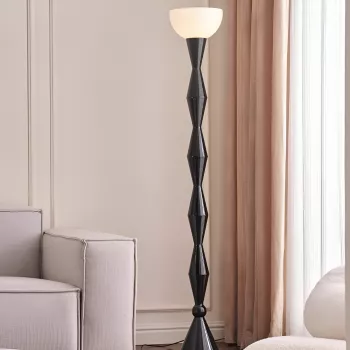
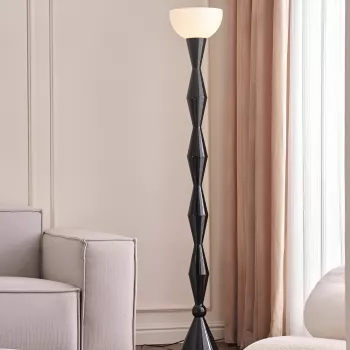
For a look at medieval-inspired design details and how the era’s decorative sensibilities still influence modern objects, see this guide to a medieval-style diamond frame floor lamp.
FAQ
What gems were popular in medieval jewelry?
Garnet, sapphire, ruby, emerald, and pearls were highly valued, along with rock crystal and amber. Stones were often chosen for vivid color, rarity, and the protective meanings people associated with them.
What was a jeweler called in medieval times?
Many were known as goldsmiths, and the term covered a wide range of work from forging precious metals to setting stones. In towns, goldsmiths commonly organized into guilds that regulated training and quality.
Is it safe to wear ancient jewelry?
It can be, but condition and materials matter: ancient pieces may be fragile, repaired with unknown substances, or contain lead-based alloys. A reputable antique jeweler or conservator can assess stability and suggest safe wear or display options.













Leave a comment
You must be logged in to post a comment.