Medieval Jewelers: Goldsmiths, Gems, and Guild Craft
Did jewelers exist in medieval times?
Yes. Jewelers absolutely existed in medieval Europe, though they were often called goldsmiths, silversmiths, or “workers in precious metal” rather than by the modern job title. They produced rings, brooches, reliquaries, belt fittings, and ceremonial objects for nobles, clergy, and wealthy merchants. Their work combined artistry with practical metallurgy—casting, hammering, engraving, stone setting, and enamel techniques were all in use in various regions and periods.
How medieval jewelers worked
Most medieval jewelers operated as specialized craftsmen in towns and cities, commonly organized through guilds. These guild systems helped regulate training (apprentice to journeyman to master), protect standards, and control who could sell within a city. Tools were simple by today’s standards—hand-driven drills, files, gravers, and small furnaces—yet the results could be highly detailed, especially in filigree, repoussé, and engraved decoration.
Materials and gemstones in the Middle Ages
Gold and silver were the primary precious metals, often alloyed for strength. Gemstones were used, but choices depended on trade routes and local availability. Garnets, rock crystal, amethyst, sapphires, and pearls appear frequently in surviving pieces, while diamonds were rarer and typically used in their natural crystal form rather than modern brilliant cuts. Many settings favored cabochons and polished stones, emphasizing color and symbolism over sparkle.
Who bought medieval jewelry?
Jewelry functioned as adornment, status, portable wealth, and sometimes spiritual protection. Nobility commissioned elaborate pieces to display power; the Church used precious metalwork for liturgical objects; and prosperous townspeople purchased more modest items. Pieces could also serve as diplomatic gifts, dowry items, or heirlooms passed through families.
Medieval craft, modern atmosphere
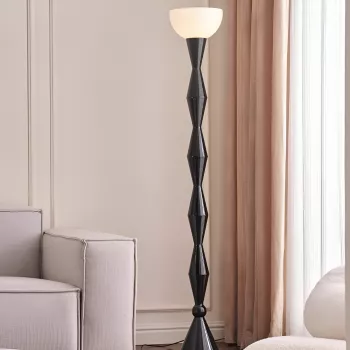
That medieval mix of geometry, metal, and light continues to influence today’s décor. For a modern take that nods to gothic and medieval-inspired detailing, see the Diamond Frame Medieval Black Floor Lamp guide here: https://luxifyo.com/guide-diamond-frame-medieval-black-floor-lamp-e27-led-ready/.
FAQ
What metals were most common in medieval jewelry?
Gold and silver were the most common precious metals, often mixed with other metals to improve durability. Bronze and copper alloys were also widely used for more affordable pieces.












Leave a comment
You must be logged in to post a comment.