Essential Oils for Osteoporosis: Benefits & Safety Tips
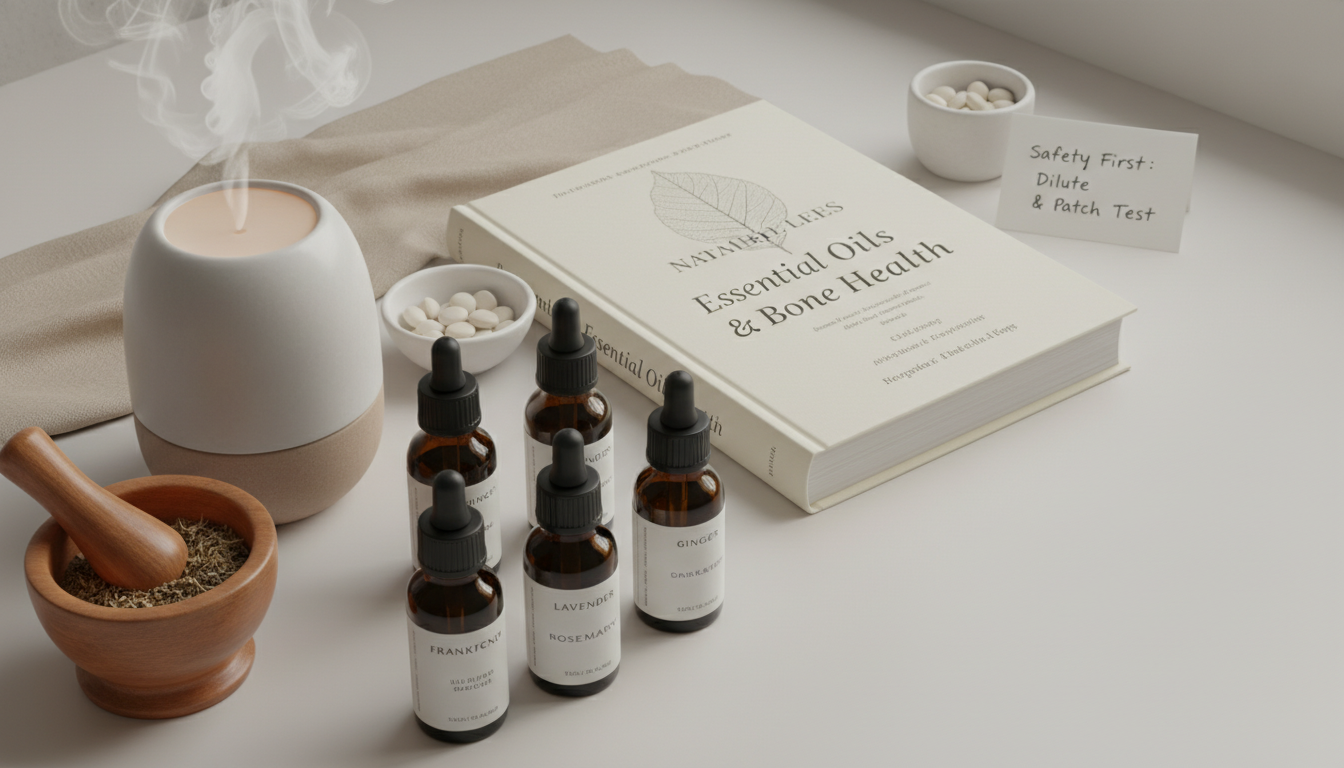
Can essential oils help osteoporosis?
Essential oils can support comfort and relaxation for some people living with osteoporosis, but they should not be viewed as a treatment for bone loss. Osteoporosis is driven by changes in bone density and structure, and essential oils have not been proven to rebuild bone or replace medical therapies such as calcium/vitamin D guidance, weight-bearing exercise plans, or prescription medications when indicated.
That said, certain oils may be useful as part of a broader self-care routine aimed at managing day-to-day symptoms and stress. For example, gentle aromatherapy may help with sleep quality and tension, and diluted topical blends may provide a soothing sensation for occasional muscle tightness that can accompany changes in posture or activity level. These benefits are supportive rather than curative.
How essential oils may fit into osteoporosis care
Stress and sleep support: Chronic stress and poor sleep can make pain feel worse and reduce motivation for movement. Oils commonly used for relaxation (like lavender) may help create a calmer bedtime routine when diffused or used in a properly diluted roll-on.
Comfort-focused massage: Light, careful massage with a well-diluted essential oil in a carrier oil can feel soothing. With osteoporosis, deep tissue pressure and aggressive manipulation may be unsafe for some people due to fracture risk, so gentler is better and individual circumstances matter.
Mindful movement rituals: Pairing a familiar scent with stretching, breathing exercises, or post-physical-therapy routines can make healthy habits easier to stick with.
Safety matters more with osteoporosis
If there’s any risk of fractures, balance issues, or spinal compression, avoid slippery oils on floors, and be cautious with topical application before movement. Always dilute essential oils, patch test first, and avoid applying to broken or irritated skin. Some oils can trigger headaches, breathing irritation, or skin sensitivity; others may interact with medications or worsen certain conditions.
For practical, step-by-step guidance on dilution, diffusion time, and storage, follow this safety guide: Essential Oil Safety Checklist (Dilution, Diffusion, Storage).
For osteoporosis specifically, it’s also smart to check with a clinician or pharmacist—especially if using blood thinners, managing asthma/COPD, or applying oils near areas that are painful, swollen, or recently injured.
FAQ
What essential oils are safest for beginners to use at home?
Start with a small number of well-tolerated oils and use conservative dilution (especially for topical use). Diffuse for short periods in a ventilated space, patch test new products, and stop immediately if you notice irritation or breathing discomfort.
















Leave a comment
You must be logged in to post a comment.