Breathing Relaxation Techniques: Quick Calm for Stress
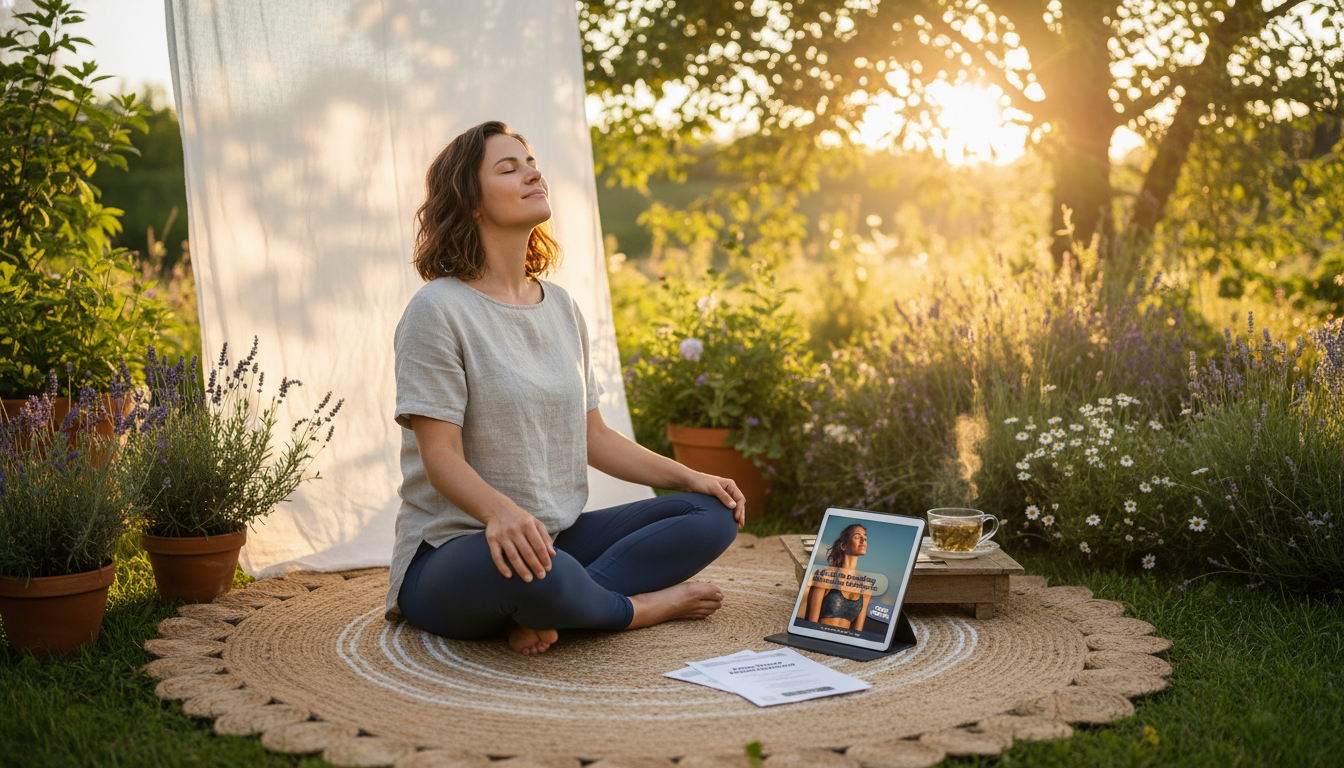
A Guide to Breathing Relaxation Techniques: Stress Relief, Mindfulness, and Calm Living
Breathing is a practical tool for settling the nervous system, reducing stress responses, and building steadier attention. This digital, printable guide focuses on simple, repeatable techniques that fit into real life—quick resets during busy moments and longer practices for winding down—so calm becomes something that can be practiced, not chased.
What changes when breathing becomes intentional
Most of the day, breathing runs in the background. When stress rises, the breath often gets shorter and higher in the chest. Intentionally slowing and smoothing it can act like a body signal—one that supports a shift toward relaxation when the system feels revved up.
- Breath as a body signal: slower, steadier breathing can support downshifting when stress is elevated.
- Mindfulness without complexity: breath makes a simple anchor for attention when thoughts are racing.
- Consistency over intensity: short practices done often tend to feel more usable than occasional long sessions.
- A gentle approach: comfort comes first; breath-holding and forceful breathing are optional, not required.
For a helpful overview of how stress affects the body and why regulation tools matter, see the American Psychological Association’s guide to stress effects on the body.
A quick-start routine for hectic days
When the day is packed, the goal isn’t a perfect meditation session—it’s a quick reset that helps you return to the next task with less tension.
- The 60-second reset: sit or stand tall, unclench your jaw and shoulders, inhale through the nose, exhale a little longer than you inhale, and repeat for 6–8 cycles.
- Add a cue: pair the reset with a daily trigger (opening email, getting in the car, starting a meeting).
- Use a comfort rule: if dizziness or strain shows up, return to normal breathing and try again later with a gentler pace.
- Track the shift: notice one measurable sign (heart rate feeling, shoulder tension, or “mental noise”) before and after.
Micro-practices by situation
| Situation | Technique | How long | What to focus on |
|---|---|---|---|
| Overwhelm or time pressure | Extended exhale breathing | 1–2 minutes | Make the exhale slightly longer than the inhale |
| Restlessness and fidgeting | Box breathing (gentle counts) | 2–4 minutes | Even counts; keep it comfortable rather than strict |
| Trouble settling before sleep | 4-7-8 (modified if needed) | 2–4 rounds | Soft inhale, longer exhale; stop if it feels intense |
| Anxious thoughts looping | Counting breaths | 3–5 minutes | Count exhales from 1 to 10, restart calmly |
If you’d like a simple, step-by-step format you can keep nearby, A Guide to Breathing Relaxation Techniques (digital eBook and printable download) is designed for quick reference and repeatable practice.
Core techniques inside the printable guide
The best breathing routine is the one you’ll actually use. These are foundational techniques that can be kept gentle and adjusted to fit your comfort level.
- Extended exhale breathing: a straightforward way to encourage downshifting when you feel activated—aim for an easy inhale and a slightly longer, unforced exhale.
- Box breathing: a balanced rhythm that supports focus; shorten the count (for example, 3–3–3–3) if longer holds feel tight or stressful.
- 4-7-8 (and gentle variations): often used for winding down; reduce counts or skip holds if you prefer a softer experience.
- Alternate nostril breathing: a calming, attention-stabilizing practice; go slow and avoid force or strain.
- Diaphragmatic breathing basics: learning to breathe lower and softer without aggressively pushing the belly out—think “quiet and easy,” not “big and dramatic.”
For an additional overview of relaxation approaches, the NCCIH relaxation techniques resource is a helpful reference.
Building a calm routine that actually sticks
Stress relief tools work best when they’re treated like basics—small, regular reps rather than occasional all-in efforts. A routine that “sticks” is one that fits your real schedule and energy.
- Choose a minimum: set a daily 2–5 minute baseline you can maintain even on busy days.
- Stack practices: pair breathing with morning coffee/tea, a post-work transition, or a pre-bed wind-down.
- Progress in small steps: add time or a second session only after the baseline feels easy.
- Use “good enough” posture: seated, lying down, or standing; relaxation doesn’t require perfect form.
- Create a short reflection: after practice, note one word (calmer, clearer, steadier) to reinforce consistency.
If evenings are the hardest time to settle, pairing breathwork with a simple nighttime routine can help. Your Ultimate Sleep-Boosting Checklist to Sleep Smart (printable routine guide) can complement a short pre-sleep breathing practice by making the rest of the wind-down more consistent.
Printable practice: set up a calm corner at home or work
For more breathing ideas commonly recommended for stress, see the NHS guide to breathing exercises for stress.
Who this guide is for (and when to choose a different approach)
If social situations are a common stress trigger, a one-minute extended-exhale reset before a call or conversation can help you show up steadier. For structured practice prompts, Social Confidence in Any Situation (printable checklist) pairs well with quick breathing resets.
Pairing breathing with simple lifestyle checklists
FAQ
How often should breathing relaxation be practiced to notice a difference?
A realistic baseline is 2–5 minutes daily, plus optional 60-second resets when you feel stress rising. Consistency usually matters more than duration, and the benefits often build gradually over days to weeks.
What if counting breaths makes anxiety worse?
Switch to a softer focus, like feeling the exhale, listening to the sound of the breath, using shorter counts, or dropping counts entirely. If it starts to feel uncomfortable, return to natural breathing and try again later with a gentler approach.
Can this guide be printed and used offline?
Yes—once downloaded, it can be printed and used offline. Many people print the quick-reference pages and keep a tracker sheet in a folder or by the bedside for easy daily access.















Leave a comment
You must be logged in to post a comment.