Warm Winter Dog Walks: Coats, Paws, and Timing
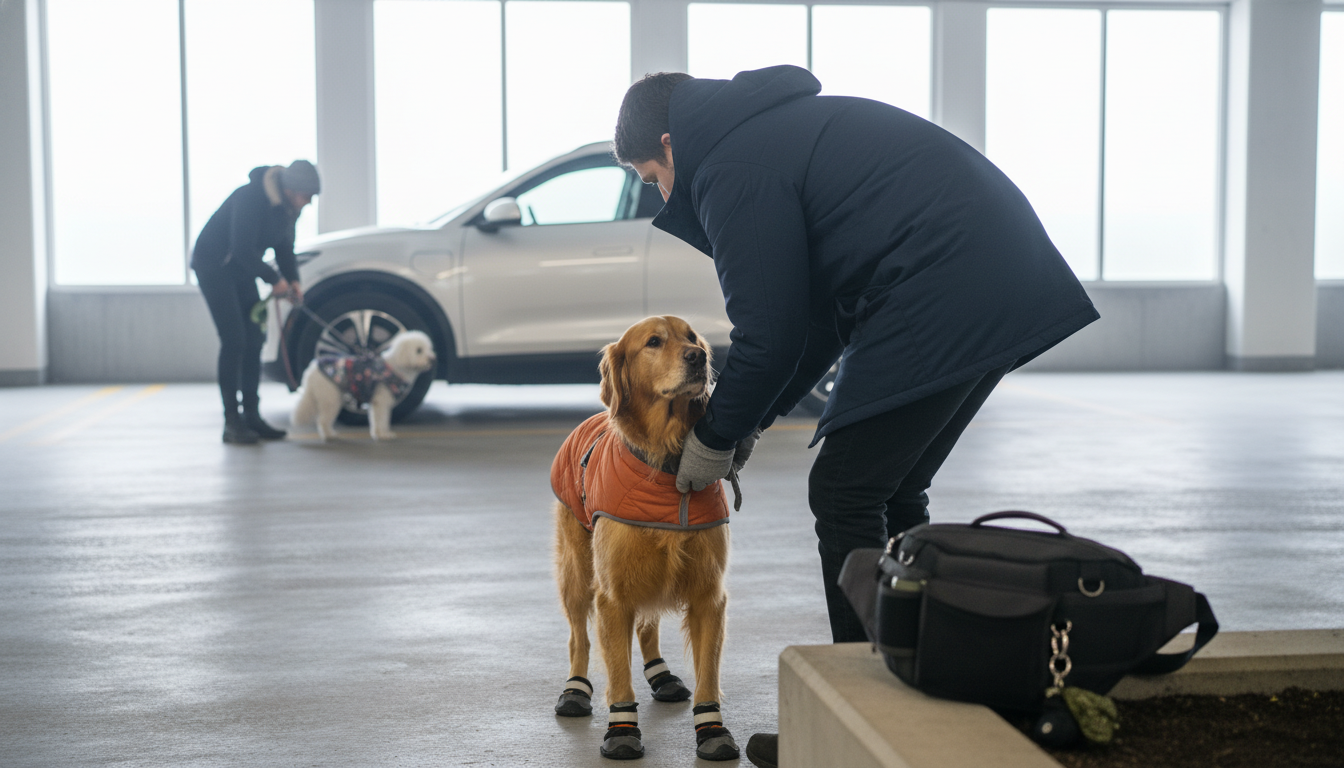
How to keep dog warm in winter on walks
Cold-weather walks can be fun and healthy, but winter conditions can chill a dog faster than many people expect—especially small breeds, short-haired dogs, seniors, and pups that get wet easily. A warm, safe walk comes down to smart timing, the right outerwear, and a few simple habits that prevent cold paws and wind chill from cutting the outing short.
Start with the conditions (and shorten the route)
Pick the warmest part of the day when possible and avoid the windiest streets or open fields. When temperatures drop or wind picks up, switch to shorter loops with more frequent breaks. If your dog starts shivering, lifting paws, slowing down, or refusing to move forward, head home and warm them up right away.
Layer for warmth and wind protection
A well-fitted hoodie or insulated vest helps trap body heat and shields the chest and core—areas that cool quickly outdoors. Look for a snug-but-not-tight fit that allows full shoulder movement, and prioritize coverage over fashion details. For extra chilly days, layering a thin base layer under a vest can add warmth without bulk.
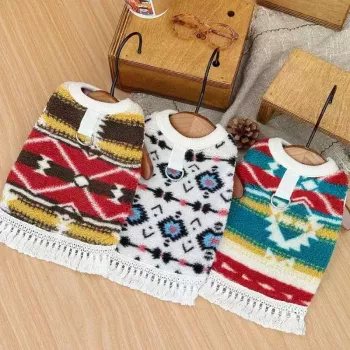
For tips on winter-ready outerwear, fit, and care, see this guide to plush hoodie vests for small pets.
Protect paws from ice, salt, and cold pavement
Boots can prevent ice buildup between toes and block salt and chemical deicers that irritate skin. If your dog won’t tolerate boots, apply a pet-safe paw balm before heading out to reduce cracking and help repel moisture. After the walk, wipe paws and belly with a damp cloth to remove salt and dry thoroughly.
Keep them dry and moving
Moisture steals heat fast. If it’s snowing or slushy, choose water-resistant outerwear and avoid deep drifts that soak the belly. Keep a steady walking pace, bring treats to encourage forward movement, and skip long “standing around” moments that let cold settle in.
Warm-up routine after the walk
Once inside, remove wet gear, towel-dry paws and legs, and offer a small drink of room-temperature water. If your dog feels cold to the touch or continues shivering for more than a few minutes, warm them gradually and consider calling your vet for guidance.
FAQ
How to keep dog warm in outside kennel
Block wind with a well-positioned shelter, add thick, dry straw for insulation, and elevate the kennel floor to reduce cold transfer from the ground. Use a properly sized, insulated dog house and keep water from freezing; check frequently for damp bedding and replace it immediately.















Leave a comment
You must be logged in to post a comment.