Luxury Swivel Lift Office Chair: Backrest Comfort Guide
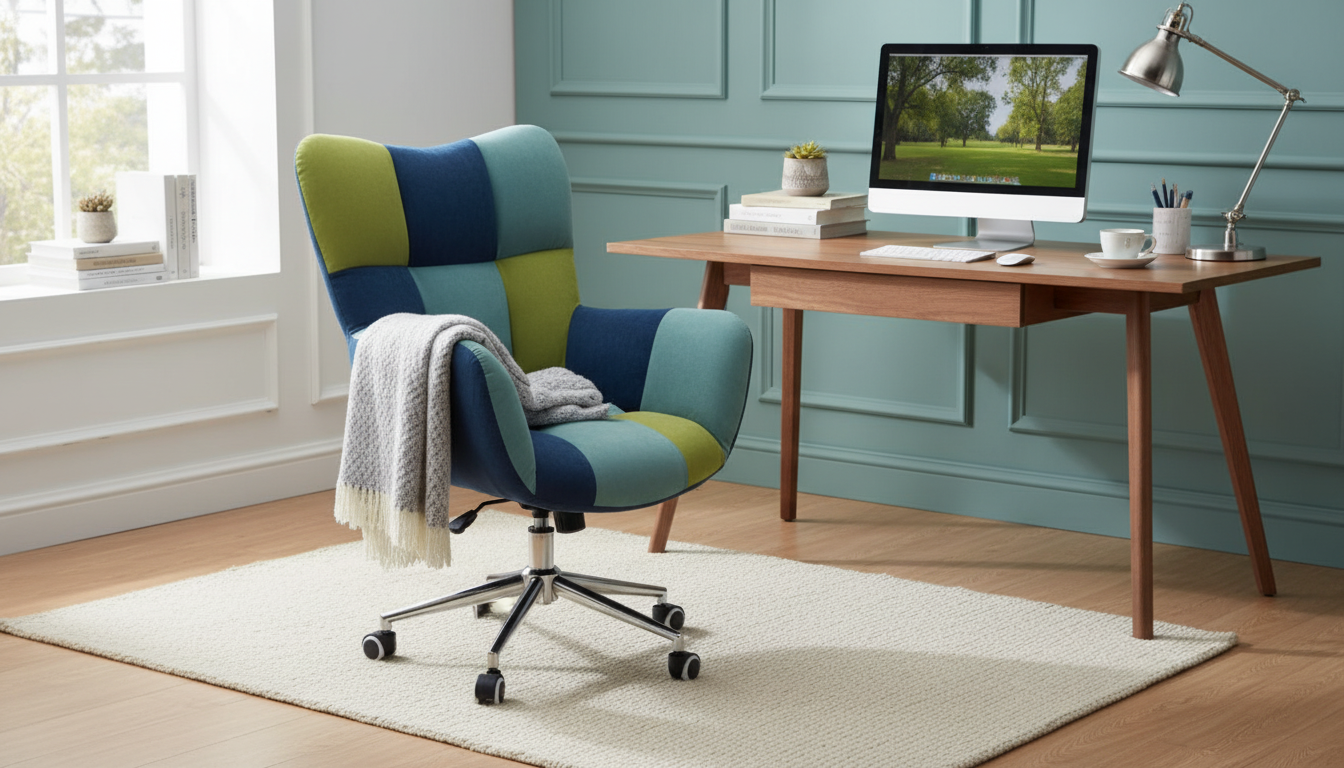
Luxury Swivel Lift Office Chair with Backrest: Comfort, Control, and a Polished Desk Setup
A premium office chair should feel supportive through long work sessions while looking refined in a home office or executive space. The difference usually comes down to how the backrest supports the spine, how smoothly the seat height adjusts, how stable the swivel feels under real movement, and whether the materials stay crisp and quiet over time. Below is a practical guide to choosing a luxury swivel lift office chair that fits both the body and the room—without turning your desk setup into a mechanical-looking workstation.
What Makes a Luxury Swivel Lift Chair Feel Different
Luxury in an office chair isn’t only about a higher price point—it’s about consistent performance and finish quality that stays pleasant day after day. Compared with basic task chairs, a premium swivel lift chair tends to deliver a more controlled, composed experience.
- More consistent support across the backrest, especially through the mid-to-lower back during long sitting periods
- Smoother seat-height lift and controlled lowering for easier desk alignment
- Balanced swivel action that helps turn and reach without twisting the spine
- Materials and finishes that hold their look over time (less wobble, fewer squeaks, cleaner seams)
- A shape that complements elevated interiors rather than looking purely utilitarian
For general workstation ergonomics, the basics still matter—chair height, screen position, and neutral posture cues. Two helpful references are the OSHA Computer Workstations eTool and the Mayo Clinic office ergonomics guide.
Backrest Support and Sitting Comfort
The backrest is where “nice-looking” becomes “actually supportive.” A chair can photograph beautifully and still feel tiring if the backrest encourages slouching or forces an awkward arch.
- Look for a backrest contour that encourages an upright, neutral posture without feeling rigid.
- A supportive backrest should reduce shoulder hunching and encourage the pelvis to stay stable on the seat.
- Seat comfort depends on foam density and how the front edge treats the thighs; a gentler edge can reduce pressure behind the knees.
- If the chair is used for focused work, a stable backrest that doesn’t flex unpredictably can help reduce fatigue.
A quick self-check: sit fully back so your hips are all the way into the seat, then let your shoulders settle. If you feel pulled forward or you can’t relax your upper back, the backrest shape may be fighting your posture rather than supporting it.
Lift, Swivel, and Everyday Adjustability
Adjustability is only valuable when it’s easy and predictable. A luxury swivel lift chair should make small changes feel precise—especially when switching between tasks like typing, note-taking, and video calls.
- Seat-height lift should allow feet to rest flat with knees roughly level to hips, while keeping elbows near desk height.
- Swivel is most useful when paired with a stable base; a steady platform keeps turning controlled.
- A well-tuned lift mechanism helps small height changes feel precise instead of “jumping” into position.
- If armrests are present, verify they don’t force shoulders upward or block the chair from sliding under the desk.
Swivel is especially helpful in multi-surface work zones—turning from a main monitor to a laptop stand, reaching a side table, or sliding between drawers—without repeatedly twisting at the waist.
Materials, Finish, and Long-Term Durability
If you’re comparing build quality between brands, it can also help to learn about furniture performance standards through organizations like BIFMA.
Fit and Sizing: Matching Chair Height to Desk Height
Quick Fit Checks Before Buying
| Check | Why it matters | How to confirm |
|---|---|---|
| Seat height range | Keeps feet flat and elbows near desk height | Measure floor-to-desk height; ensure the chair can raise/lower to match |
| Backrest contour | Supports long sitting without slouching | Sit back fully; confirm the backrest supports mid-to-lower back comfortably |
| Seat depth feel | Reduces pressure behind knees | Leave a small gap between seat edge and back of knees |
| Swivel stability | Turning should feel controlled, not wobbly | Rotate and lean gently; the base should feel planted |
| Caster compatibility | Protects floors and improves rolling | Choose wheels appropriate for hardwood, tile, or carpet |
Setup, Care, and Keeping the Chair Looking New
Who This Chair Suits Best
Product Spotlight: Luxury Swivel Lift Office Chair with Backrest
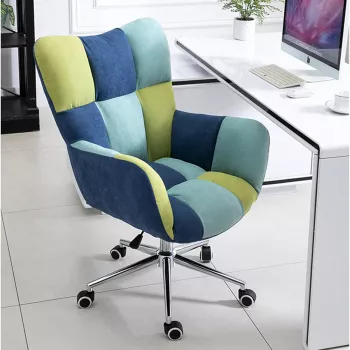
If the goal is a chair that upgrades the look of the room while staying practical for real work, the Luxury Swivel Lift Office Chair with Backrest is designed to deliver both. Its swivel and lift functionality support day-to-day desk alignment, while the supportive backrest is intended to improve comfort during longer seated sessions. For a workspace where ergonomics and visual impact both matter, it’s a premium pick—and it’s currently in stock.
More In-Stock Picks to Pair With a Polished Workspace
- Less Is Luxe: The Minimal Fashion Guide – Ultimate eBook for Timeless, Effortless Style
- The Solo Shopper’s Guide to Smart Grocery Budgeting | Digital Download for How to Budget Groceries for 1 | Meal Planning Guide for One
FAQ
How high should an office chair be set?
Set the height so your feet rest flat on the floor, your knees are roughly level with your hips, and your forearms can work near desk height with relaxed shoulders. If the desk is high and the chair can’t lower enough to keep your feet grounded, add a footrest.
Is a backrest necessary for long work sessions?
A supportive backrest helps maintain a more neutral posture and can reduce fatigue by sharing load with your core and upper body. The best results depend on the contour and firmness matching your back so you can sit fully supported instead of perching forward.
Do casters matter for a luxury office chair?
Yes—casters affect floor protection, rolling resistance, and how stable the chair feels when you shift or turn. Choose wheels that match your flooring (hard surfaces versus carpet) and consider a chair mat for delicate floors.













Leave a comment
You must be logged in to post a comment.