Micro Mindfulness: 7 Days of Mindful Moments for Calm
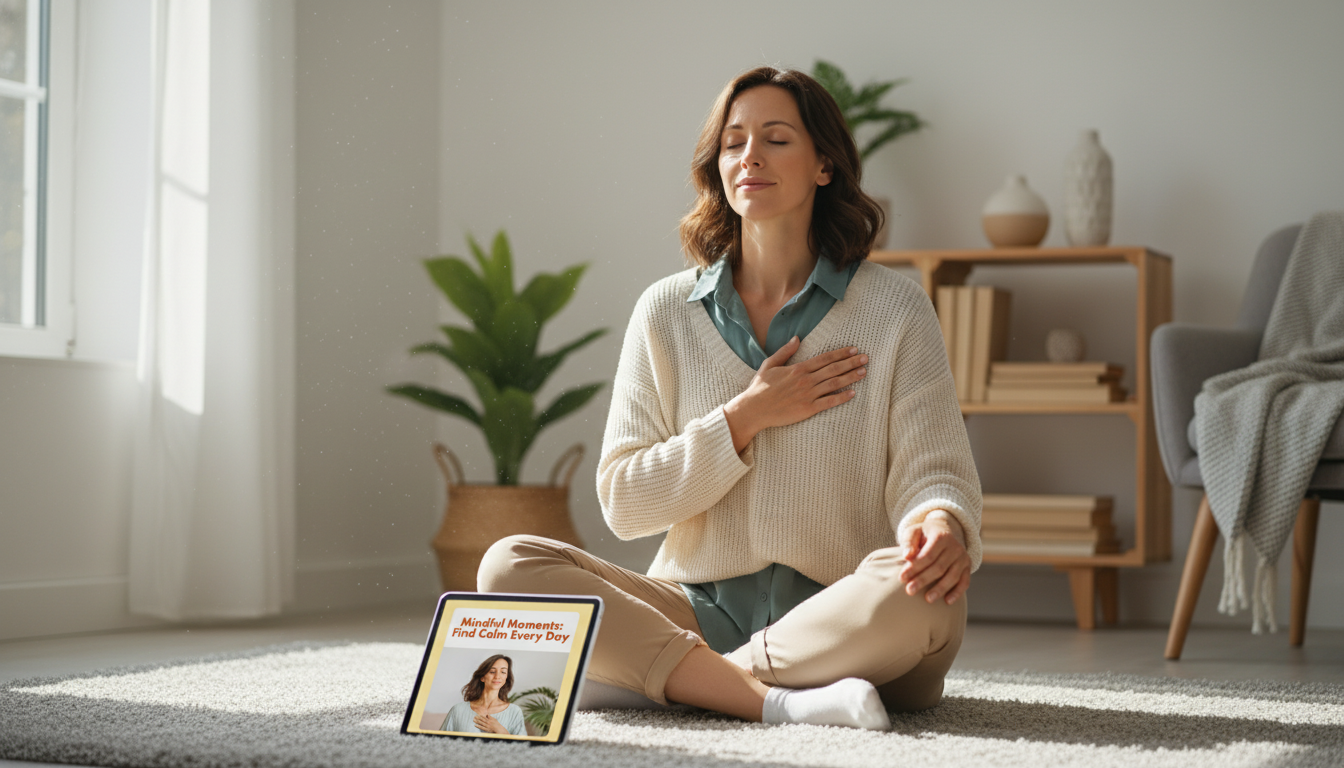
Mindful Moments: Small Practices for Less Stress and More Daily Calm
Mindfulness doesn’t require long sessions or perfect silence. A few intentional minutes—between meetings, before a difficult conversation, or while waiting in line—can help settle stress responses and restore a steadier sense of calm. This guide-centered approach focuses on quick, repeatable “mindful moments” that fit into real routines and support more grounded days.
What “Mindful Moments” Mean in a Busy Day
A mindful moment is a short pause where attention is placed on purpose on what’s happening right now—sensations, thoughts, and emotions—without getting pulled into them. It’s less about “clearing your mind” and more about noticing what’s already there with a little more space and less judgment.
Short, frequent practices tend to be easier to sustain than occasional long sessions because they work with the day you actually have. A one-minute reset before opening email, a 30-second body check after a tense phone call, or a few breaths before eating can become a dependable rhythm.
Mindful moments also differ from distraction. Distraction tries to escape stress by scrolling, snacking, or multitasking. Mindfulness does the opposite: it notices stress signals (tight shoulders, quickened breathing, looping thoughts) without escalating them. That “noticing” is what creates choice.
Common times to practice include transitions (commute, starting work, ending work), before eating, after reading stressful news, and before bed—any moment where the nervous system is already shifting gears.
How Mindfulness Eases Stress (What Changes in the Moment)
In stressful moments, the mind often narrows around threat-focused thinking: worst-case scenarios, self-criticism, urgency, and mental replay. Mindfulness gently shifts attention back to present-moment cues—breath, sounds, posture, contact with the floor—reducing mental overload and creating a sense of steadiness.
That shift creates a pause between trigger and reaction. Instead of firing off a reply, tensing your body further, or spiraling into assumptions, you get a brief buffer where you can choose a more deliberate response.
Mindfulness also encourages acceptance of sensations so they can pass rather than escalate. A tight chest or racing thoughts can feel alarming; when they’re labeled as “sensations” or “stress energy,” they often soften sooner. Naming emotions (“irritated,” “overwhelmed,” “sad”) helps regulate them by making them clearer and less fused with the story around them.
Over time, these micro-pauses can improve recovery after stressful events by helping the nervous system return to baseline more smoothly. For background on how mindfulness is defined and studied, see the APA Dictionary of Psychology entry on mindfulness and the NCCIH overview of meditation and mindfulness.
A 7-Day “Micro-Mindfulness” Routine (2–5 Minutes Each)
Use this as a light structure—repeat a day if it’s helpful, or keep one favorite practice as your default. The goal is consistency, not intensity.
- Day 1: One-minute breathing reset before checking messages.
- Day 2: Body scan at the desk—jaw, shoulders, hands, belly (release on exhale).
- Day 3: Mindful sip—drink water slowly and track temperature and taste.
- Day 4: Three-sense check—name 3 things seen, 2 heard, 1 felt.
- Day 5: Thought label—“planning,” “worrying,” “remembering,” then return to breath.
- Day 6: Mindful walk—feel heel-to-toe contact for 20–30 steps.
- Day 7: Evening reflection—one stressor noticed, one skill used, one thing appreciated.
Micro-practices by situation
| Situation | Mindful moment (1–3 minutes) | What to notice |
|---|---|---|
| Before a meeting | 3 slow breaths with longer exhales | Heartbeat, shoulders, jaw tension |
| After a stressful message | Name the emotion + one body sensation | Heat, tightness, urge to react |
| Mid-afternoon slump | Mindful stretch and posture reset | Feet on floor, spine length, breath depth |
| Before sleep | 10-breath count (restart if distracted) | Breath rhythm, wandering thoughts |
How to Build a Mindful Moment That Actually Sticks
Micro-practices work best when they’re attached to real-life triggers rather than motivation. Pick something already automatic—making coffee, logging in, washing hands, plugging in your phone—and use it as the cue.
Common Obstacles (and Gentle Fixes)
Digital Guide Spotlight: Mindful Moments for Stress Relief and Daily Calm
If structure helps, a simple guide can reduce decision fatigue—so you don’t have to figure out what to do when stress hits. Mindful Moments: How Mindfulness Eases Stress and Boosts Your Daily Calm (Digital Guide) is designed around quick, repeatable practices that fit real schedules and real stressors.
Pairing Mindfulness With Better Sleep and Stronger Boundaries
For sleep, keep it brief and repeatable. A 10-breath count or a short scan of jaw/shoulders/hands can reduce bedtime rumination without turning bedtime into another task. If you like having a simple wind-down plan, pair mindfulness with Your Ultimate Sleep-Boosting Checklist to Sleep Smart to make evenings feel more predictable and less mentally noisy.
Mindful moments also support boundaries and communication: pause, notice the emotion and body signal, then choose words more deliberately. For practical support in everyday conversations, Social Confidence in Any Situation (Printable Checklist) can pair naturally with mindfulness by helping you slow down and respond with more intention.
FAQ
How to do a mindful moment?
Pause, choose one anchor (breath, sounds, or feet on the floor), and notice it for 3–10 breaths; when the mind wanders, gently return. For a 60-second version: inhale normally, exhale a little longer, feel your feet grounding, and label any distraction as “thinking” before returning to the next breath.
How long should mindfulness take to reduce stress?
Even 1–5 minutes can help in the moment by creating a pause and calming the body’s stress response. Bigger changes usually build with consistency over days and weeks, so starting small and repeating daily tends to work better than occasional long sessions.
















Leave a comment
You must be logged in to post a comment.