Wash a Chenille Bath Mat: Settings, Drying & Care
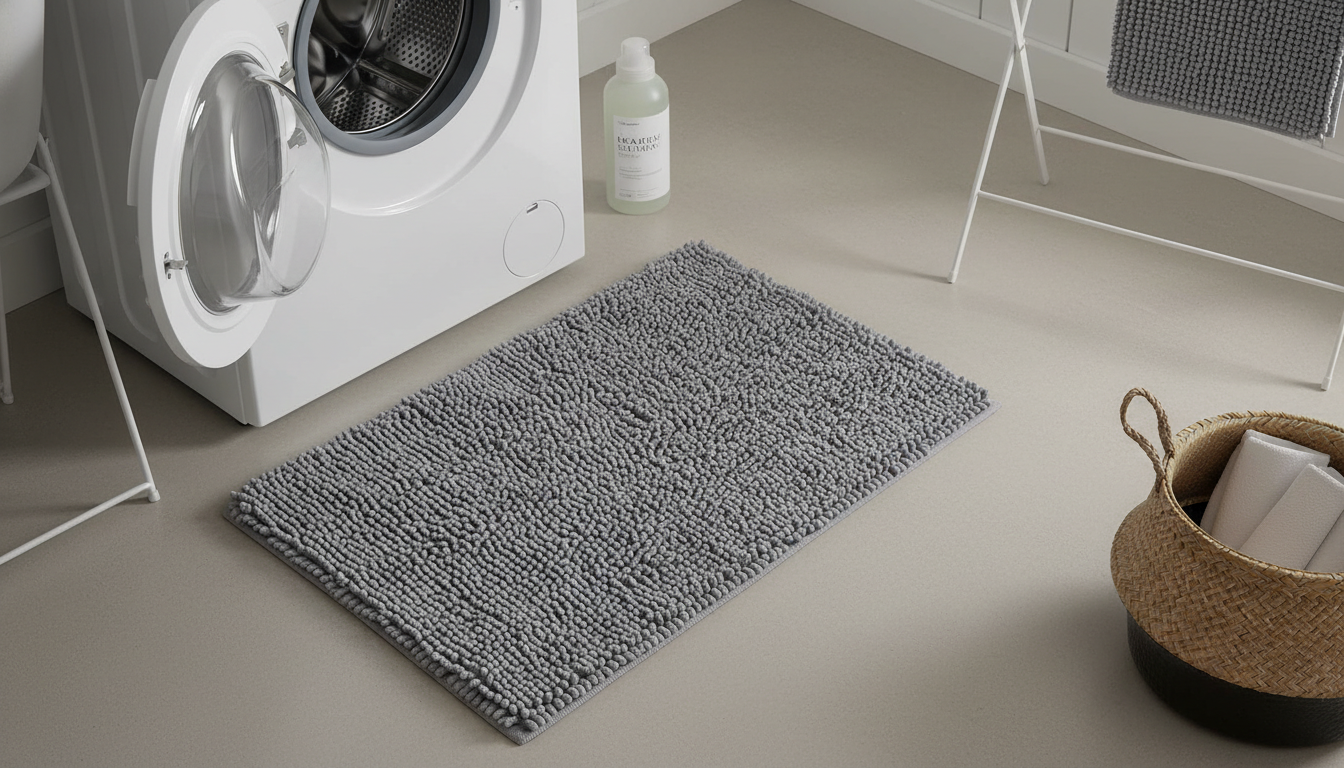
How to wash a chenille bath mat?
Chenille bath mats feel plush because their fibers are soft and dense, but that same texture can trap moisture, soap residue, and lint. Washing them the right way keeps the pile fluffy, protects any non-slip backing, and helps the mat dry faster between uses.
Check the care label first
Before anything else, look at the tag for temperature limits and whether the mat has a rubber or TPR non-slip backing. Backings can crack or peel with high heat and harsh chemicals, so the label is the best final word.
Shake out and pre-treat spots
Take the mat outside and shake it well to release hair and debris. If there are makeup, soap, or mildew spots, dab a small amount of gentle liquid detergent onto the area and let it sit for 10–15 minutes before washing.
Machine-wash settings that work for most chenille mats
Wash the mat by itself or with other soft items (like towels) to reduce abrasion. Use cold or warm water on a gentle cycle with a mild detergent. Skip bleach and strong fabric softeners—bleach can weaken fibers and softeners can leave a coating that reduces absorbency and makes residue build-up more likely.
Rinse well, then dry with low heat (or air dry)
Choose an extra-rinse option if available, especially if you notice detergent lingering in the pile. For drying, tumble dry low or line dry. Avoid high heat, which can damage the chenille pile and degrade non-slip backings. Once dry, give the mat a quick shake or fluff with your hands to lift the fibers.
How often to wash
For most bathrooms, washing every 1–2 weeks is a good baseline. If the mat stays damp, gets heavy daily traffic, or shares space with kids, wash it weekly and hang it up after each use so it can fully dry.
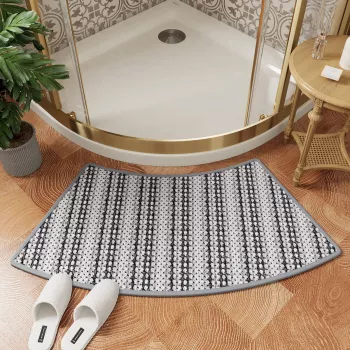
For more tips on keeping a chenille, non-slip bath mat performing well—especially in curved or tight spaces—see the full guide here: Arc-Shaped Chenille Non-Slip Bath Mat Guide.
FAQ
Can you put a chenille bath mat in the dryer?
Yes—use low heat or an air-fluff setting to protect the fibers and any non-slip backing. High heat can cause backing damage and make the pile look matted over time.














Leave a comment
You must be logged in to post a comment.