Build Athlete Confidence: Progress Without Comparison
How can beginner athletes build confidence without comparing themselves to others?
Beginner athletes build real confidence by tracking their own progress, not someone else’s highlight reel. Comparison is tempting because it’s fast, but it’s also inaccurate: you rarely see another person’s setbacks, injuries, or training history. A better approach is to create personal benchmarks that prove growth over time.
Choose “process goals” over “outcome goals”
Outcome goals (winning, making varsity, hitting a certain time) can be motivating, but they’re also dependent on factors outside your control. Process goals focus on what you can do today: completing three workouts this week, practicing footwork for 10 minutes, or improving sleep and hydration. Consistency is a confidence multiplier because it gives you evidence you can rely on yourself.
Measure progress in small, objective ways
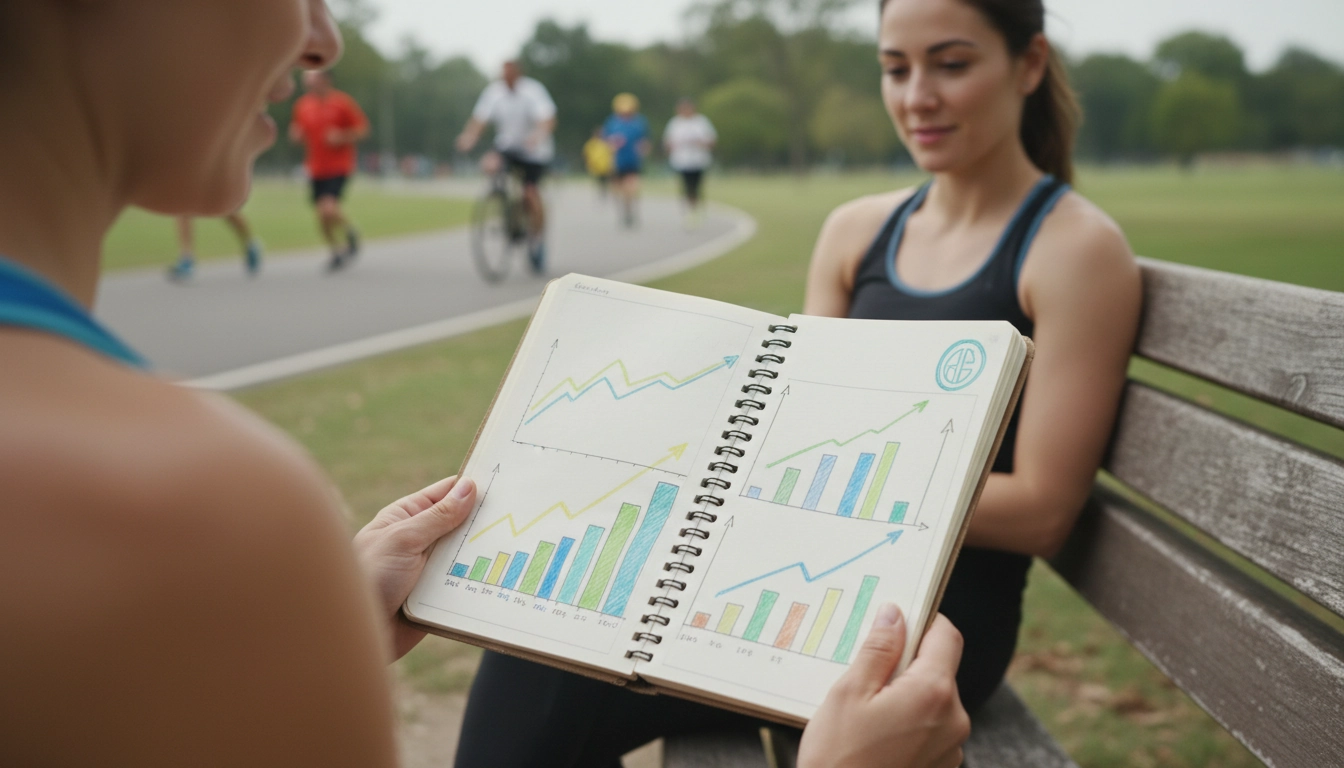
Pick two or three metrics that match your sport and level: number of push-ups, a comfortable running pace, form quality, or how quickly you recover after practice. Write them down weekly. When you see numbers and notes trending in the right direction, confidence stops being a mood and becomes a record.
Use a “past self” comparison routine
Once a week, compare only to where you started: what feels easier, what’s less scary, what you can do with better technique. If you catch yourself spiraling into comparisons, switch to a quick reset question: “What is one thing I can improve by 1% today?”
Build confidence through supportive environments
Train with people who celebrate effort and learning, not just results. A coach or training partner who gives specific feedback—“your knee drive improved,” “your landing was quieter”—helps you anchor confidence in skill development rather than social ranking.
For more ways sports can strengthen self-esteem and everyday confidence, visit this guide on how sports build confidence and self-esteem.
FAQ
How do you set realistic fitness goals as a beginner?
Start with one primary goal and two supporting habits, then scale slowly. Aim for targets you can repeat weekly (like workouts completed) before chasing big performance milestones.
















Leave a comment
You must be logged in to post a comment.