AI Planner for Anxiety: Gentle Daily Plans Without Overbooking
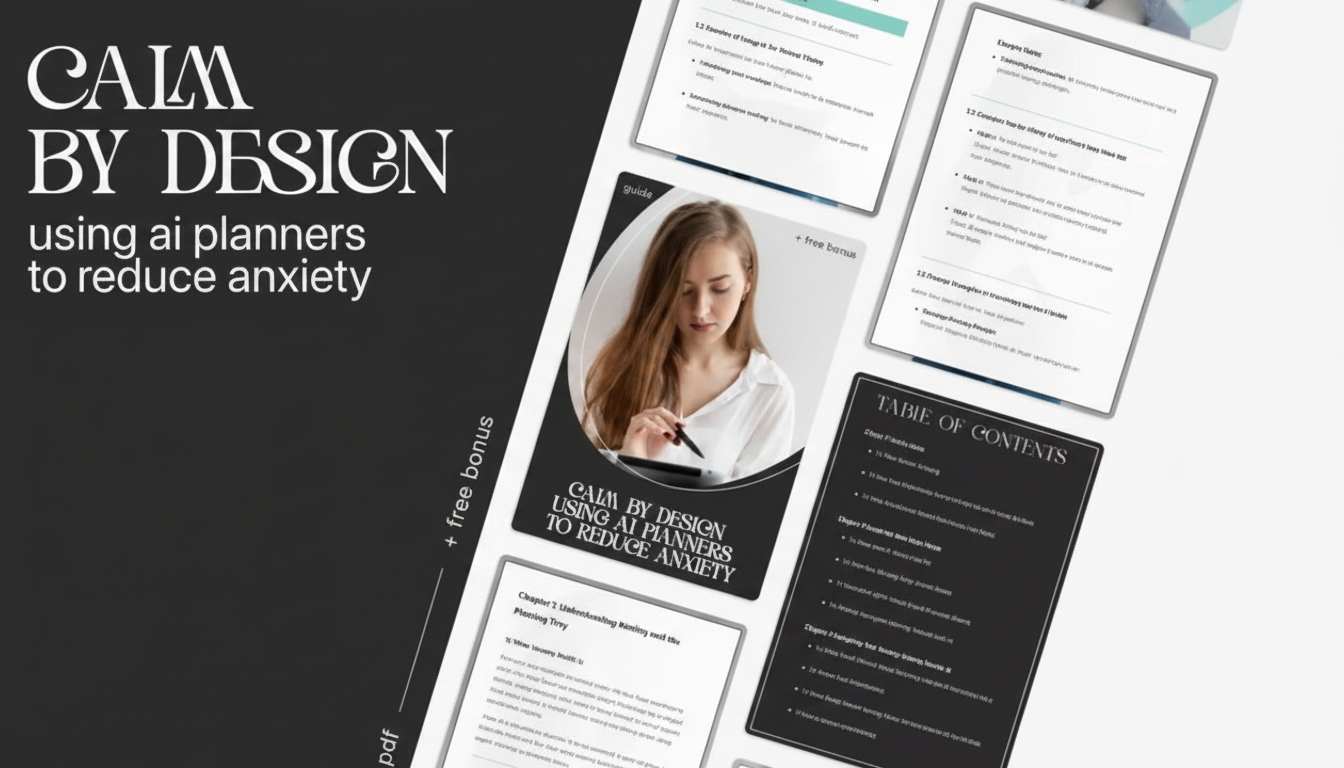
How do I set up an AI planner for anxiety-friendly daily planning without over-scheduling?
Start by treating your AI planner as a gentle guide, not a strict taskmaster. The goal is to reduce decision fatigue while keeping your day realistically light. Set it up to prioritize what matters, protect recovery time, and leave breathing room for the unexpected.
1) Define your “minimum viable day” first
Create a short list of non-negotiables: 1–3 essential tasks, basic self-care, and one small “win” you can finish quickly. Ask your AI planner to build a day that works even if your energy dips, then add optional items only if there’s capacity.
2) Use time blocks with buffers, not back-to-back tasks
Set default buffers of 10–20 minutes between activities and include a mid-day reset block. Have the planner schedule in “chunks” (Focus, Admin, Errands) rather than assigning every minute. This reduces the pressure of falling behind when anything runs long.
3) Set a cap on planned time
Limit planned commitments to 50–70% of your available hours. Tell your AI to stop scheduling once you hit that ceiling and to keep the rest as open space. This is one of the fastest ways to prevent a plan from becoming a trap.
4) Build in anxiety-friendly rules
Ask your planner to avoid stacking high-stress tasks, to schedule difficult items earlier (or at your calmest time), and to pair demanding work with recovery. Include “permission” language like: “If I miss a task, roll it to tomorrow without guilt and reduce tomorrow’s load.”
5) Review once, then trust the system
Do a quick morning check (2 minutes) and one afternoon adjustment (2 minutes). Too many check-ins can become reassurance-seeking and increase stress. If you want a more complete setup, follow the step-by-step guide here: AI planner for anxiety calm daily system.
FAQ
What should I do when I fall behind on my plan?
Pause and “shrink the day” to one essential task plus basic care. Move the rest to a later date and ask your planner to reduce tomorrow’s schedule so you don’t pay for today’s delay with extra pressure.















Leave a comment
You must be logged in to post a comment.