Monthly Grocery Budget for One: $250–$450 Target
How much should I spend on groceries a month for 1 person?
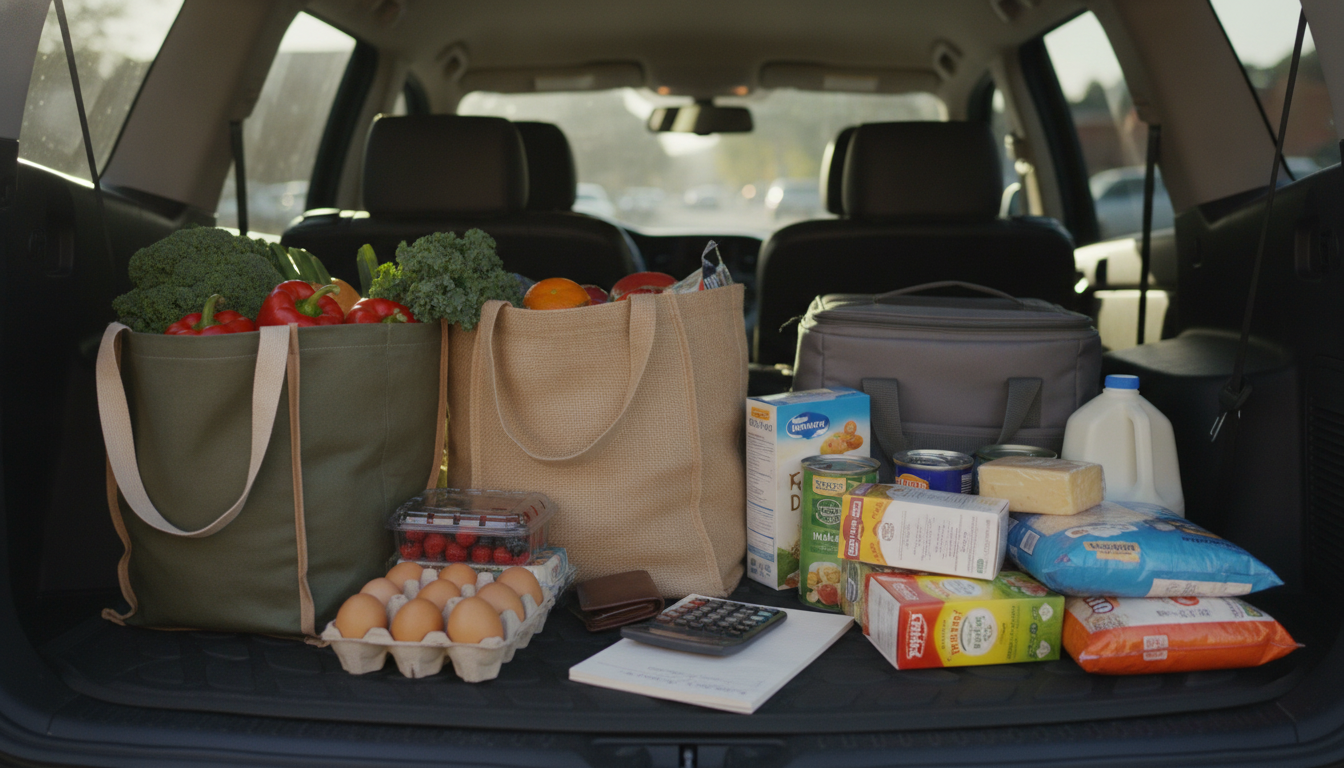
A practical monthly grocery budget for one person in the U.S. typically lands between $250 and $450. Where you fall in that range depends on your city, diet (fresh produce, specialty items, high-protein plans), how often you cook, and how much food you end up wasting.
A simple way to pick your number
If you want a quick target, start at $350/month (about $80–$90/week) and adjust after two weeks of real receipts. If you consistently have leftovers that go bad, lower the budget and plan fewer “backup” items. If you’re running out of basics midweek, raise it slightly and prioritize filling staples.
What tends to push costs up (or down)
Higher budgets usually come from convenience foods, frequent small trips, premium beverages, and buying too much variety for one person to finish. Lower budgets are easier when you repeat breakfasts/lunches, cook 2–3 dinners that create planned leftovers, and keep a tight list built around a handful of flexible ingredients (rice, pasta, beans, eggs, frozen vegetables, rotisserie chicken, and seasonal produce).
Make your budget feel easier without eating “cheap”
Try this split: 70–80% for core meals (proteins, produce, grains, dairy) and 20–30% for extras (snacks, desserts, drinks). That gives you room for enjoyment while keeping spending predictable.
For a step-by-step approach to spending less and wasting less—especially when cooking for one—see this smart grocery budgeting guide.
FAQ
Is $100 a month enough for groceries?
It can be possible in very low-cost areas with strict meal planning, heavy use of staples, and almost no convenience foods. For most people, $100/month is extremely tight and may be hard to sustain while meeting nutrition needs.
Is $1000 a month on groceries a lot for 2 people?
In many households, yes—it’s on the high end for two people if that’s groceries only. It may make sense if it includes premium proteins, specialty diets, frequent entertaining, or higher-cost urban pricing.
Is $200 a month a lot for groceries?
For one person, $200/month is on the low side but achievable with consistent cooking, minimal waste, and budget-friendly stores. It’s less realistic if you buy mostly fresh, prepared, or specialty items.















Leave a comment
You must be logged in to post a comment.