Warm Dog in an Outdoor Kennel: Windproof, Dry, Safe
How to keep dog warm in outside kennel
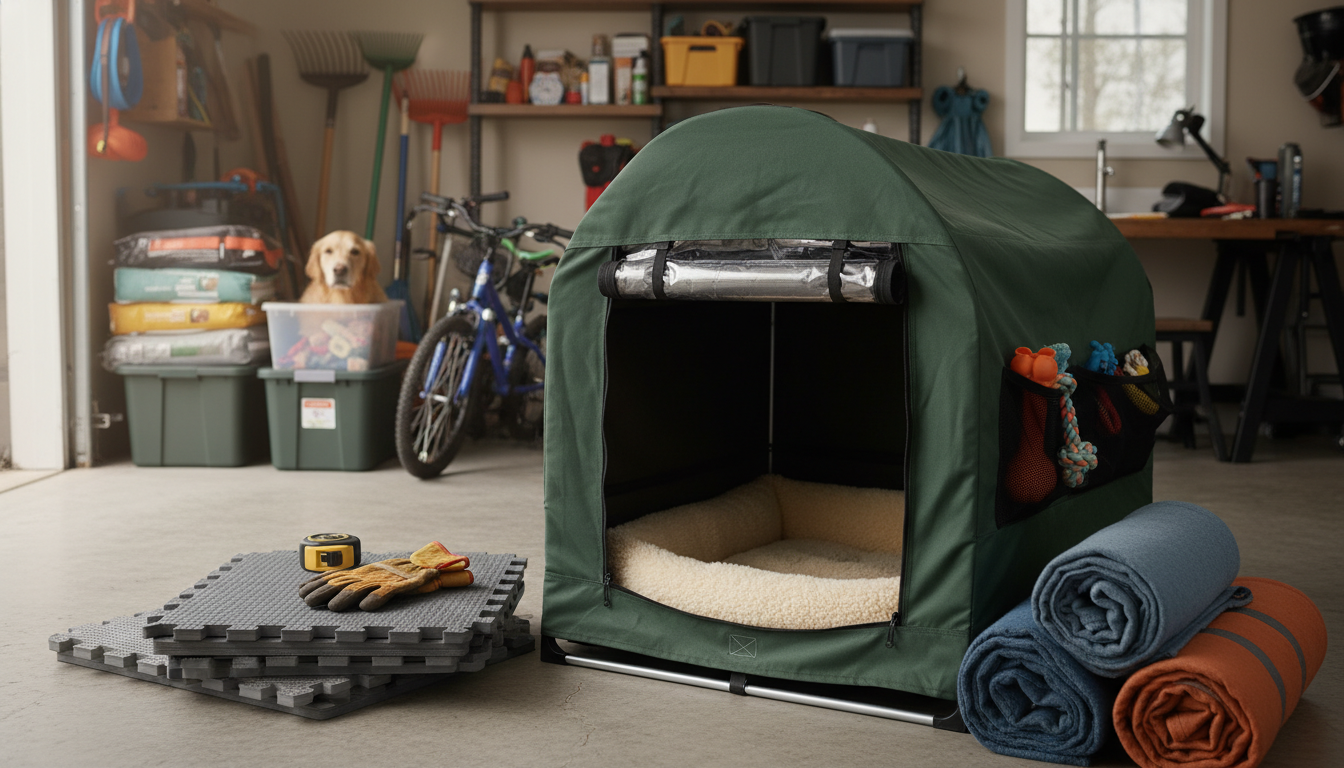
Outdoor kennels can be comfortable in winter if you focus on blocking wind, keeping everything dry, and giving your dog a protected “micro-climate” inside the larger run. The goal is steady warmth without creating damp, drafty, or unsafe conditions.
Start with a windproof, waterproof setup
Place the kennel where it’s naturally shielded (near a wall or fence) and add a windbreak on the windy side. Use a weather-resistant cover or roof that keeps rain and snow off the run and the sleeping area. Even a small draft can steal body heat quickly, especially at night.
Insulate the dog house (not just the run)
If your dog has a house inside the kennel, that’s where insulation matters most. Use rigid foam panels between double walls if the structure allows, and seal gaps where wind whistles through. Add a door flap to reduce airflow while still allowing easy entry and exit.
Keep your dog off cold ground
Cold concrete and frozen soil pull heat away fast. Elevate the dog house floor a few inches and add a dry, insulating layer. Straw is a common choice because it stays insulating when fluffed and helps repel moisture; replace it whenever it gets damp or flattened.
Manage moisture and ventilation
Warmth disappears when bedding gets wet. Check for leaks, keep snow from drifting into the doorway, and change bedding often. At the same time, avoid sealing the house so tightly that condensation builds up—stale, humid air can make the interior colder and increase chill.
Add safe warmth and body-heat support
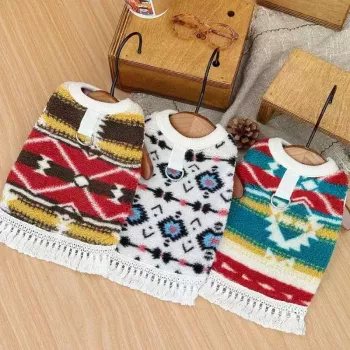
A heated, chew-resistant water bowl helps prevent dehydration and keeps water from freezing. If clothing is appropriate for your dog’s coat and comfort, a cozy layer can help during brief outdoor periods; see this guide for cold-weather pet apparel care and fit: https://luxifyo.com/guide-plush-hoodie-vest-small-pets-winter-fit-care/.
Know when it’s too cold
Shivering, lifting paws, whining, lethargy, pale gums, or a stiff gait can signal dangerous cold exposure. Puppies, seniors, short-haired breeds, and dogs with medical issues generally need indoor shelter sooner.
FAQ
Is it safe to use a heat lamp in a dog kennel?
Often it’s not the safest option because heat lamps can tip, overheat an enclosed space, or cause burns and fire. If you must add heat, choose pet-rated, chew-resistant heating products and follow manufacturer instructions carefully.















Leave a comment
You must be logged in to post a comment.