$50 a Week Groceries: Simple Plan That Works
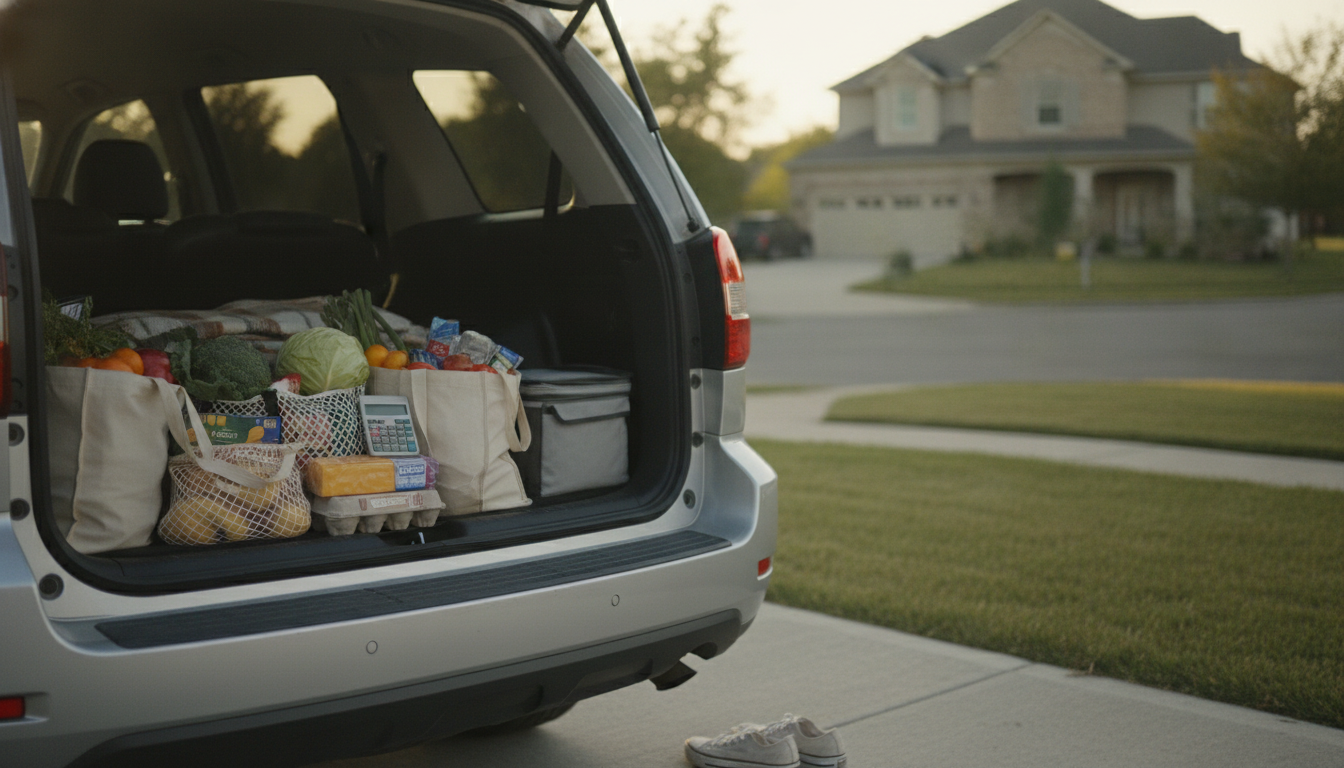
How to spend only $50 a week on groceries?
Spending only $50 a week on groceries is doable when every dollar has a job: a tight list, flexible meals, and smart use of staples. Start by setting a simple weekly plan built around low-cost proteins, shelf-stable basics, and a small rotation of produce that can be used in multiple meals.
1) Build your $50 cart around dependable staples
Prioritize items that stretch across breakfasts, lunches, and dinners: rice, oats, pasta, beans or lentils, eggs, frozen vegetables, and a few pantry seasonings. Add one or two budget-friendly proteins (like chicken thighs, canned tuna, tofu, or ground turkey) and pick produce that won’t spoil quickly (carrots, onions, cabbage, apples).
2) Plan “mix-and-match” meals, not unique recipes
Choose 2–3 main meal templates and repeat them with small changes. Examples: rice bowls (rice + frozen veg + egg/beans), pasta nights (pasta + canned tomatoes + protein), and big soups or chili that become leftovers. Repeating ingredients lowers waste and prevents expensive one-off purchases.
3) Shop with a strict list—and shop your kitchen first
Check your pantry and freezer before buying anything. Then write a list tied to your meal plan and stick to it. Skip single-serve snacks and drinks; they burn through a $50 budget fast. If possible, shop once per week to avoid “quick trips” that turn into impulse spending.
4) Use store brands, unit prices, and frozen options
Store brands usually match name-brand quality at a lower cost. Compare unit prices (price per ounce/pound) to spot the real deal. Frozen fruits and vegetables are often cheaper than fresh, last longer, and reduce spoilage—especially helpful when the budget is tight.
5) Track, adjust, and keep a small buffer
Keep a running total as you shop and leave $3–$5 unassigned for surprises like price jumps. If you go over, swap rather than add: trade berries for bananas, fresh herbs for dried, or chicken breasts for thighs.
For a deeper, step-by-step approach (especially helpful when shopping for one), see this smart grocery budgeting guide.
FAQ
How can I meal prep on a $50 grocery budget?
Cook two big batches (like chili and rice bowls) and portion them into 4–6 grab-and-go meals. Use overlapping ingredients so nothing gets left behind to spoil.















Leave a comment
You must be logged in to post a comment.