Meal Planning for Beginners: Simple 5-Step Starter Plan
How to start meal planning for beginners?
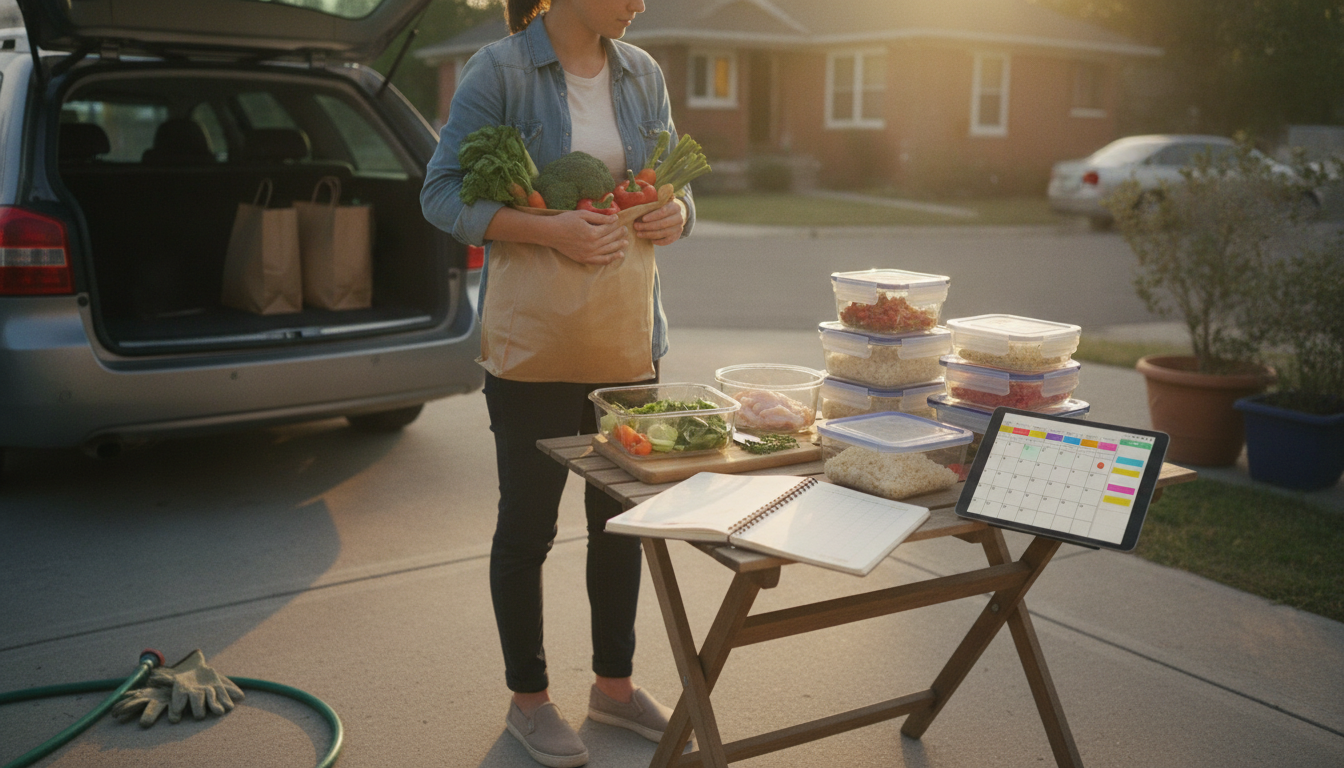
Starting meal planning is easiest when it’s small, repeatable, and tied to how you actually shop and cook. The goal isn’t perfect variety—it’s fewer “what’s for dinner?” moments, less food waste, and a grocery cart that matches your week.
1) Pick a planning day and a realistic number of meals
Choose one day each week to plan (even 15 minutes). Then decide how many meals you’ll cook: for beginners, 3–4 dinners plus simple breakfasts and lunches usually works. Leave space for leftovers or one takeout night so the plan doesn’t break.
2) Start with a simple template
Use a repeatable structure like: one pasta/rice bowl, one sheet-pan meal, one salad or wrap night, and one slow-cooker or one-pot meal. Rotating “formats” reduces decisions while still keeping meals flexible.
3) Build your grocery list from what you’ll actually use
Write meals first, then list ingredients. Group the list by store sections (produce, protein, pantry, dairy, frozen) to shop faster and avoid impulse buys. If you’re shopping for one, prioritize ingredients that cross over into multiple meals (spinach in salads and omelets, tortillas for wraps and quesadillas).
4) Choose ingredients that minimize waste
Plan recipes that share perishables and use freezer-friendly items (frozen veggies, berries, chicken, bread). When possible, buy smaller portions or repurpose extras into lunch. For more tactics focused on buying only what you’ll finish, visit this smart grocery budgeting guide.
5) Prep just enough to make weekdays easier
Wash greens, cook one grain, chop one veggie, or marinate a protein. Minimal prep creates momentum without turning meal planning into a weekend project.
For Meal Planning for Beginners: Simple 5-Step Starter Plan, the best answer depends on fit, material, care instructions, and how the product will be used day to day.
FAQ
How do I meal plan without getting bored?
Repeat a few reliable “meal formats” and change the sauce, seasoning, or protein each week. Keeping a short list of favorites you can rotate makes planning fast while still adding variety.















Leave a comment
You must be logged in to post a comment.