$1,000/Month Groceries for Two: Is It Too Much?
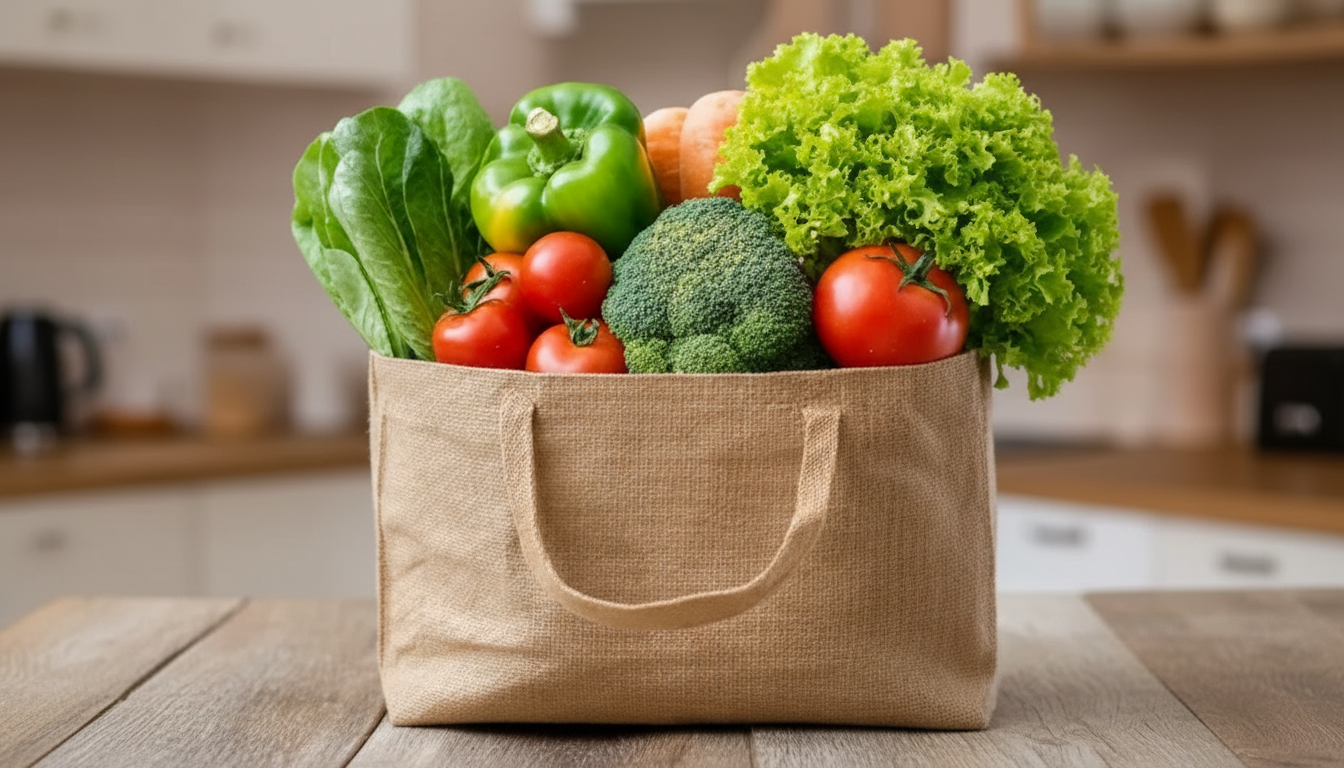
Is $1000 a month on groceries a lot for 2 people?
It depends on where you live, how often you cook at home, and what “groceries” includes, but $1,000 per month for two adults is on the high side for many households. That works out to about $250 per week (or roughly $16–$17 per person per day), which can be completely normal if you’re buying premium ingredients, specialty diets, lots of prepared foods, or higher-cost staples in a high-cost city.
When $1,000/month makes sense
This budget can be reasonable if you regularly buy organic or local produce, high-quality proteins, name brands, and convenience items (pre-cut produce, marinated meats, meal kits, ready-to-eat deli foods). It can also happen when you’re hosting often, stocking up for a month at a time, or counting non-food items like paper goods, cleaning supplies, pet items, and toiletries in the same grocery total.
When it’s probably too much
If most meals are home-cooked and your cart is mainly basics (rice, pasta, beans, eggs, frozen vegetables, chicken, seasonal produce), $1,000 may signal “leaks” like food waste, frequent impulse buys, or paying extra for convenience. Another common culprit is shopping without a plan, which leads to duplicate purchases and ingredients that expire unused.
How to bring it down without feeling deprived
Start by separating “food” from household items so you can see what you’re actually eating. Next, track your top three spending categories (often meat/seafood, snacks, and beverages) and set a simple weekly cap. Planning 3–5 dinners with overlapping ingredients and using your freezer strategically can cut waste fast.
For a step-by-step approach to building a smarter grocery routine (including planning, waste reduction, and budget guardrails), see this guide to smart grocery budgeting and adapt the tactics for two people.
FAQ
How can I reduce food waste at home?
Plan meals around what you already have, freeze extras before they spoil, and keep a “use first” bin in the fridge for short-dated items. Cooking once and repurposing leftovers into lunches also helps prevent forgotten food.















Leave a comment
You must be logged in to post a comment.