5 Easy Ways to Practice Mindfulness Every Day
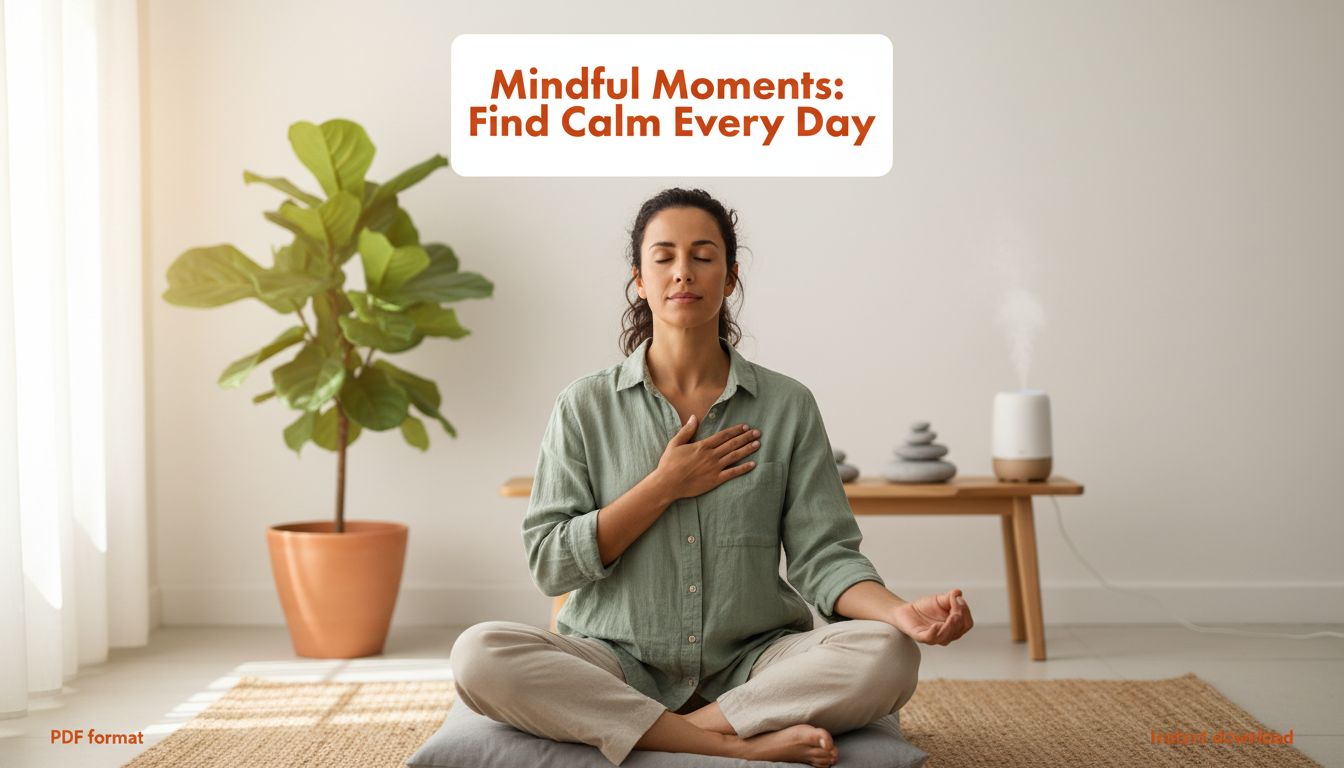
What are 5 ways I can practice mindfulness?
Mindfulness doesn’t have to mean long meditations or a perfectly quiet room. Small, repeatable moments—done on purpose—can help you feel steadier, less reactive, and more present. Here are five practical ways to practice mindfulness throughout a normal day.
1) Try one-minute “micro-mindfulness” pauses
Set a timer (or use natural cues like opening your laptop or washing your hands) to pause for 60 seconds. Notice your breathing, the feeling of your feet on the floor, and one sound you can hear. Let that be enough.
2) Do a simple sensory check-in (5-4-3-2-1)
Name 5 things you can see, 4 you can feel, 3 you can hear, 2 you can smell, and 1 you can taste. This quickly shifts attention from racing thoughts to what’s actually happening right now.
3) Practice mindful breathing—no special technique required
Take three slow breaths and focus on the exhale. If your mind wanders (it will), gently return to the sensation of air moving out. Even a few cycles can soften stress.
4) Make one everyday task “single-task”
Choose something you already do—drinking coffee, brushing your teeth, walking to your car—and do it without multitasking. Pay attention to textures, temperature, movement, and rhythm. When you catch yourself rushing, come back to the task.
5) Name what you’re feeling (and where you feel it)
Silently label your experience: “anxious,” “irritated,” or “tired.” Then notice where it shows up in your body (tight jaw, heavy chest, tense shoulders). Labeling helps create a little space between you and the emotion.
For more quick, low-effort ways to add calm to your day, visit this guide to micro-mindfulness and mindful moments.
FAQ
How long does it take for mindfulness to reduce stress?
Some people feel calmer immediately after a brief practice, especially with slow breathing. For more lasting stress reduction, consistency matters—think daily minutes over weeks rather than one long session once in a while.















Leave a comment
You must be logged in to post a comment.