Medieval Jewelry Examples: Rings, Brooches, Crosses

What are examples of medieval jewelry?
Medieval jewelry (roughly 5th–15th century Europe) ranged from practical fasteners to highly symbolic status pieces. Materials shifted by region and wealth, but common themes included bold colored stones, religious motifs, and strong metalwork designed to last.
Brooches and fibulae
Brooches were among the most widespread medieval adornments because they also functioned as clothing fasteners. Early medieval fibulae (including bow, disc, and penannular styles) often featured intricate patterns, animal motifs, and occasional inlays of garnet or enamel.
Signet rings and gemstone rings
Rings served both fashion and authority. Signet rings engraved with a coat of arms, initials, or symbols were used to seal documents in wax. Gemstone rings—often set with cabochon stones like sapphire, garnet, or amethyst—were prized for color and, at times, believed protective qualities.
Pendants, reliquaries, and crosses
Religious pendants were common across many social classes, with crosses and small reliquary pendants worn as expressions of faith and personal protection. Some pendants incorporated inscriptions, engraved saints, or simple geometric metalwork depending on craftsmanship and budget.
Neck torcs and chains
Torcs and heavy neck rings appear especially in earlier medieval contexts and in areas influenced by Celtic and Norse traditions. Later medieval jewelry often favored chains with pendants, sometimes combined with decorative beads, pearls, or small mounts.
Earrings, hair ornaments, and circlets
Earrings existed throughout the period, though styles and popularity varied by region. Hair pins, jeweled bands, and circlets were worn by nobility, while simpler metal pins and ribbons were common among ordinary households.
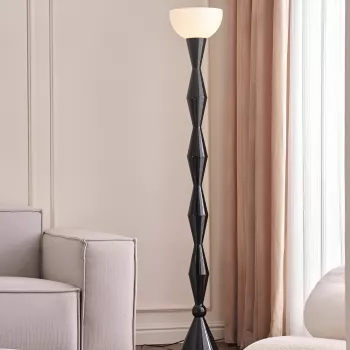
If you enjoy medieval-inspired design details—especially geometric, diamond-frame looks—see this related guide: https://luxifyo.com/guide-diamond-frame-medieval-black-floor-lamp-e27-led-ready/.
For Medieval Jewelry Examples: Rings, Brooches, Crosses, the best answer depends on fit, material, care instructions, and how the product will be used day to day.
FAQ
What materials were medieval jewelry commonly made from?
Gold and silver were used by wealthy owners, while copper alloys like bronze and brass were widespread. Jewelry also featured glass, enamel, amber, pearls, and stones such as garnet, amethyst, and sapphire.











Leave a comment
You must be logged in to post a comment.