AI in Sleep Studies: How It Analyzes Your Night Data
What is AI in a sleep study?
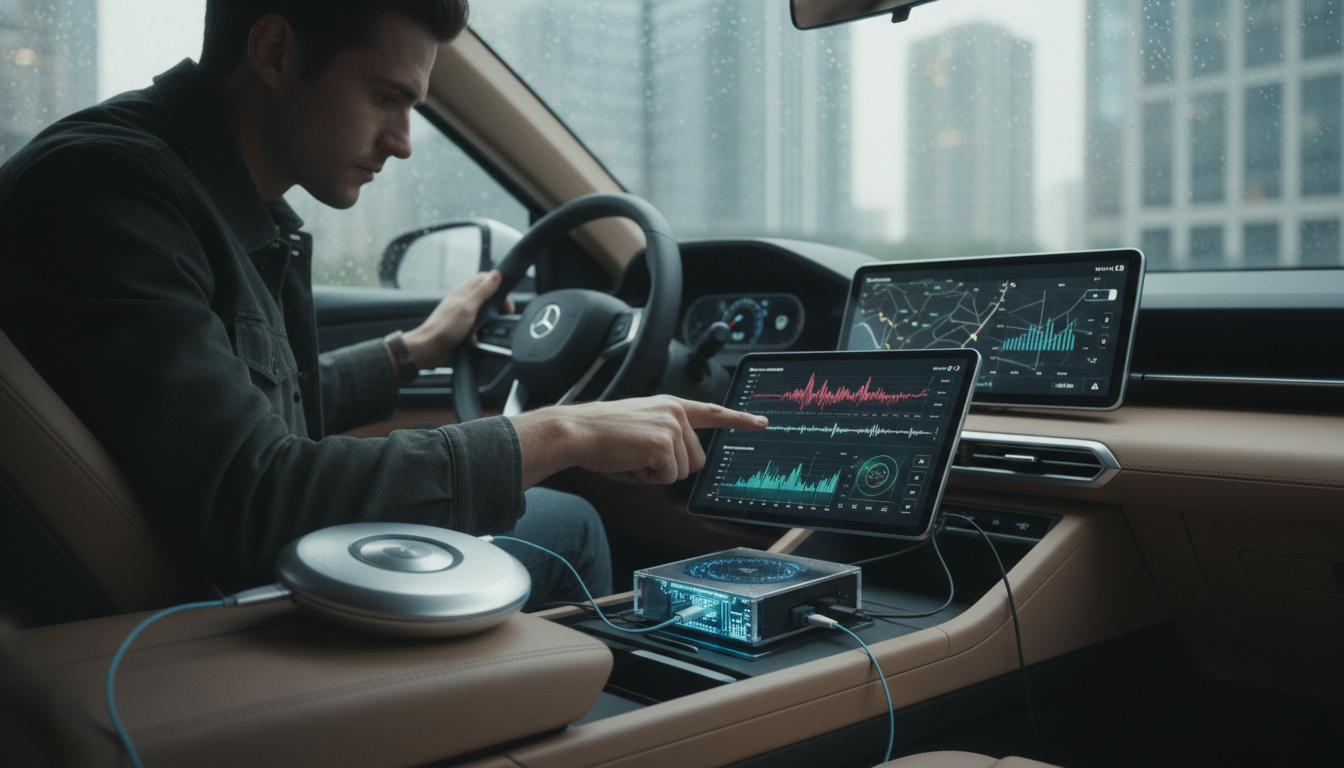
AI in a sleep study is the use of machine learning and pattern recognition to help analyze sleep data—such as brain waves, breathing, heart rate, movement, and oxygen levels—so clinicians (and sometimes consumer apps) can identify sleep stages and spot potential sleep disorders more efficiently. Instead of relying only on manual scoring by a technician, AI can rapidly scan large amounts of data and flag patterns that match known markers of issues like sleep apnea, insomnia-related arousals, or abnormal movements.
How AI is used during sleep testing
In a traditional overnight lab study (polysomnography), sensors record signals like EEG (brain activity), EOG (eye movements), EMG (muscle tone), airflow, respiratory effort, and pulse oximetry. AI tools can assist by:
- Auto-scoring sleep stages (wake, light sleep, deep sleep, REM) based on signal patterns.
- Detecting events such as apneas, hypopneas, snoring patterns, limb movements, or brief awakenings.
- Reducing review time by prioritizing segments that look abnormal, so clinicians can focus where it matters most.
In home sleep tests and wearables, AI often works with fewer signals (for example, heart rate and motion). That means results can be useful for trends and screening, but they’re typically less definitive than a full lab study.
What AI can (and can’t) tell you
AI can improve consistency, speed up analysis, and surface insights that might be easy to miss in long recordings. It may also personalize recommendations by learning how specific metrics relate to next-day fatigue or nighttime disruptions.
AI can’t replace clinical judgment. Poor sensor contact, unusual sleep patterns, medications, and certain medical conditions can confuse automated scoring. For diagnosis and treatment decisions—especially for suspected sleep apnea—sleep specialists still verify findings and interpret them in context.
Learn more about AI sleep tracking
For a deeper look at how AI turns nightly signals into actionable sleep insights, visit this guide to AI sleep tracking.
FAQ
Can AI sleep tracking detect sleep apnea?
AI can flag patterns that resemble sleep apnea—like repetitive breathing interruptions and oxygen dips—but a formal diagnosis usually requires a validated home sleep test or an in-lab polysomnography reviewed by a clinician.















Leave a comment
You must be logged in to post a comment.