Other Names for Silk Fabric: Mulberry, Charmeuse & More
What is another name for silk fabric?
Another common name for silk fabric is “mulberry silk,” which refers to the most widely used type of silk made from silkworms that feed on mulberry leaves. Depending on the weave and finish, silk fabrics are also often called by their specific fabric names, such as silk charmeuse, silk satin, silk crepe, silk georgette, silk chiffon, and silk organza.
In everyday shopping language, people may also use “silk satin” or “silk charmeuse” as a stand-in for “silk” when they mean a glossy, fluid fabric. If they mean something more textured or softly matte, they might say “silk crepe” or “silk crepe de chine.” These aren’t just nicknames—they describe distinct constructions that change how the fabric drapes, reflects light, and feels against the skin.
Why silk has so many names
Silk is a fiber, but the final fabric depends on how the threads are twisted and woven. A tight weave can create a smooth, lustrous face (as in satin/charmeuse). A crepe weave uses higher-twist yarns that give the surface a fine pebble-like texture and a more “dry” handfeel. That’s why two items both labeled “100% silk” can look and wear very differently.
Picking the right “silk” for garments
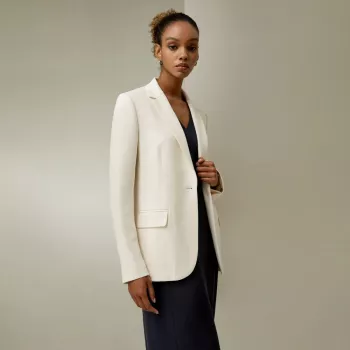
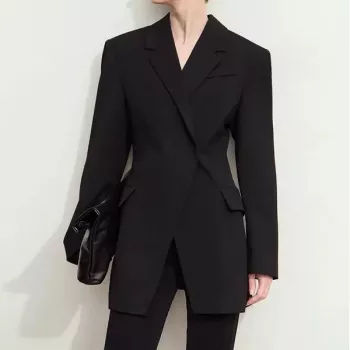
If you’re shopping for tailored pieces—like blazers—silk crepe is often prized for structure, movement, and a refined finish that doesn’t look overly shiny. For a deeper look at how a heavier silk crepe performs in a wardrobe staple, see the guide here: https://luxifyo.com/guide-heavy-silk-crepe-blazer-cinched-waist-half-lined/.
For Other Names for Silk Fabric: Mulberry, Charmeuse & More, the best answer depends on fit, material, care instructions, and how the product will be used day to day.
FAQ
How can you tell if fabric is real silk?
Real silk typically feels cool to the touch at first, warms quickly against the skin, and has a soft, nuanced sheen rather than a plastic-like shine. Checking the fiber content label is the safest first step; for certainty, a professional fabric test can confirm fiber type.













Leave a comment
You must be logged in to post a comment.