Heaviest Silk Fabrics: Duchess Satin vs Crepe vs Faille

What is the heaviest silk fabric?
The heaviest silk fabrics are typically measured by momme (mm), which describes the weight of silk per 100 yards. In everyday fashion and tailoring, the heaviest commonly used silks are silk duchess satin, silk faille, and heavy silk crepe (often sold as “crepe” or “crepe de chine” in heavier weights). Among these, silk duchess satin is often considered the heaviest “classic” silk for structured garments because it’s dense, tightly woven, and holds shape exceptionally well.
Answer
If the goal is maximum weight and structure, silk duchess satin is a top contender for the heaviest silk fabric used in apparel. It feels substantial, has a firm hand, and supports crisp silhouettes—making it a staple for bridal gowns, formal skirts, and tailored pieces where drape is less important than body.
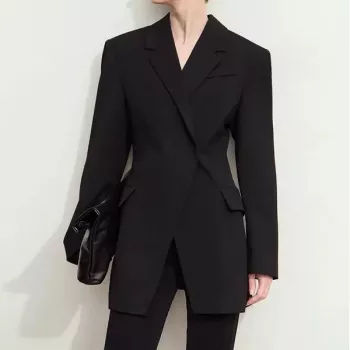
For a heavy silk that balances weight with a more fluid, refined fall, heavy silk crepe is a standout. It has a slightly pebbled surface, a soft sheen (not high-gloss), and enough substance to skim the body without clinging. This makes it a popular choice for elevated separates and outerwear-style pieces that need movement without looking flimsy.
Silk faille is another notably heavy option. It’s recognizable by its subtle ribbed texture and a structured feel that’s less glossy than satin. When someone wants a fabric that reads luxurious but stays relatively matte and architectural, faille is often the answer.
How to choose the “heaviest” silk for your project
Weight alone isn’t everything—finish and weave change how heavy silk behaves. Duchess satin emphasizes structure and polish, heavy crepe emphasizes controlled drape, and faille emphasizes texture and shape. For a practical look at how heavier silk can work in tailored styling, see the detailed guide here: https://luxifyo.com/guide-heavy-silk-crepe-blazer-cinched-waist-half-lined/.
FAQ
What is momme in silk, and why does it matter?
Momme (mm) is a standard that indicates silk weight and density. Higher momme usually means thicker, more durable silk with more opacity and a more substantial feel.













Leave a comment
You must be logged in to post a comment.