Best TENS Mode: Conventional vs Burst vs Modulation
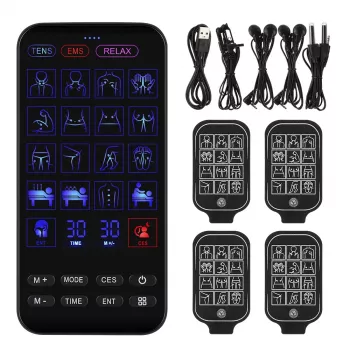
What is the best mode for a TENS machine?
The best mode for a TENS machine is the one that matches your goal and the type of discomfort you’re trying to manage. For most people seeking everyday, non-specific pain relief, a conventional (sometimes called “continuous”) TENS mode is the most reliable starting point because it delivers steady, comfortable pulses that can be adjusted easily.
Best all-around choice: Conventional (continuous) TENS
If your device offers multiple patterns, start with a steady, consistent pulse pattern. Set the intensity to a strong-but-comfortable tingling (never painful), then fine-tune the pulse rate if your unit allows it. This mode is commonly used for short-term relief during flare-ups and for general muscle soreness.
When other modes may be better
Some people respond better to different pulse patterns, especially if they “get used to” one sensation quickly. In those cases, alternating or “modulation” styles can feel more comfortable because the machine subtly varies the stimulation. Burst-style TENS can feel more rhythmic and may be preferred when a stronger sensation is desired, while a “massage/knocking/tapping” pattern can be helpful if you simply like a more dynamic feel during a session.
How to pick the right mode in 60 seconds
Choose a mode, increase intensity slowly, and give it a few minutes. If the sensation feels sharp, causes muscle cramping, or becomes irritating, lower the intensity or switch modes. The best mode is the one that provides noticeable relief while staying comfortable enough to complete a full session.
Modes can vary by brand—use your device’s program guide
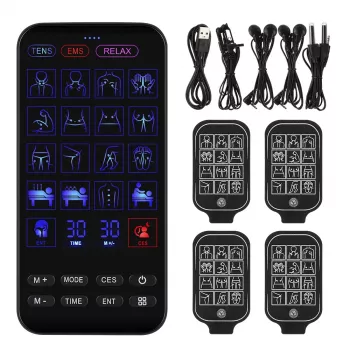
Many modern units combine TENS, EMS, and specialty programs. If your product has dozens of modes, the quickest way to match a mode to your use case is to follow a program-by-program guide like this one: https://luxifyo.com/guide-48-mode-tens-ems-stimulator-ces-sleep-infrared-nasal/.
FAQ
How long should you use a TENS machine per session?
Most sessions run about 15–30 minutes, depending on comfort and the area being treated. Stop sooner if the sensation becomes unpleasant, and avoid falling asleep with the unit on unless your device is specifically designed for that purpose.












Leave a comment
You must be logged in to post a comment.