A Brief History of Fashion: From Ancient Dress to Today
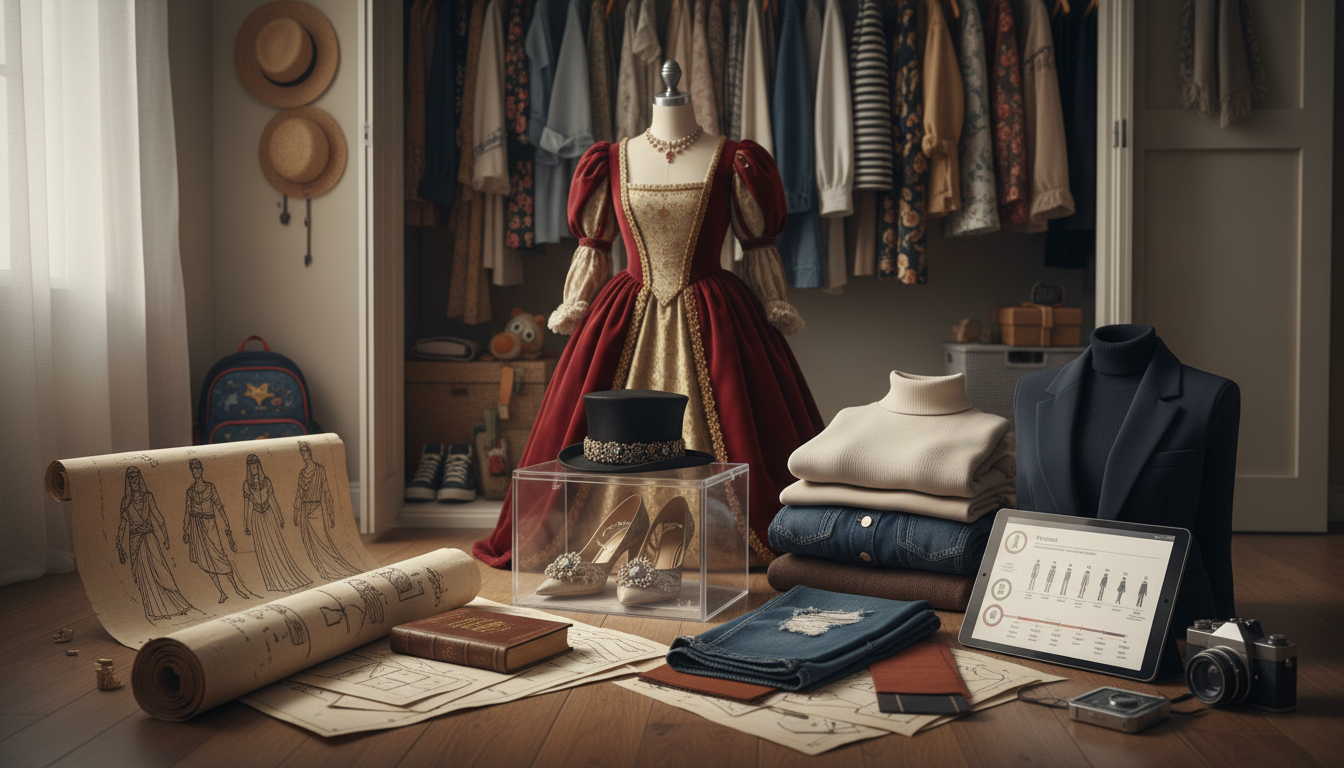
What is the brief history of fashion?
Fashion’s story is a fast-moving timeline of changing silhouettes, materials, and cultural signals. While people have always dressed for climate and modesty, “fashion” as a cycle of widely copied trends took shape as trade expanded, cities grew, and new technologies made clothing easier to produce and share.
Early foundations: status, craft, and symbolism
In ancient civilizations, clothing often communicated rank and identity through fabric quality, dyes, jewelry, and drape. From the structured garments of Egypt to the wrapped styles of Greece and Rome, dress reflected social roles and available textiles. As weaving, dyeing, and tailoring skills improved, clothing became a more precise marker of wealth and position.
Medieval to Renaissance: rules and refinement
In medieval Europe, sumptuary laws tried to control who could wear certain colors, furs, or trims, underscoring fashion’s link to class. The Renaissance accelerated change: improved tailoring, luxurious fabrics, and court culture made clothing more elaborate. Silhouettes became increasingly shaped—bodices, structured skirts, and detailed ornamentation helped define the era’s look.
17th to 19th centuries: fashion becomes an industry
As global trade expanded, wardrobes absorbed new fabrics and influences. By the 18th century, court dress and urban style trends traveled faster through prints and social networks of the time. The 19th century brought major shifts: the Industrial Revolution introduced mechanized textile production and ready-to-wear clothing, making fashionable looks more accessible while also speeding up trend turnover.
20th century to today: innovation and rapid cycles
The 20th century transformed fashion through modern design movements, youth culture, and mass media. Hemlines, shapes, and gender norms shifted repeatedly—from the streamlined silhouettes of early modernism to postwar glamour, then into denim, sportswear, and street style. Today, fashion moves at digital speed, shaped by global brands, subcultures, sustainability concerns, and constant visual sharing.
For a deeper look at how silhouettes and style codes changed across time, visit this guide to fashion history.
FAQ
What are fashion “eras,” and how are they defined?
Fashion eras are broad periods grouped by dominant silhouettes, fabrics, and cultural influences. They’re usually defined by major social changes, new technologies, and widely adopted style markers.














Leave a comment
You must be logged in to post a comment.