Silk vs Crepe Silk: Texture, Shine, and Drape
What is the difference between silk and crepe silk?
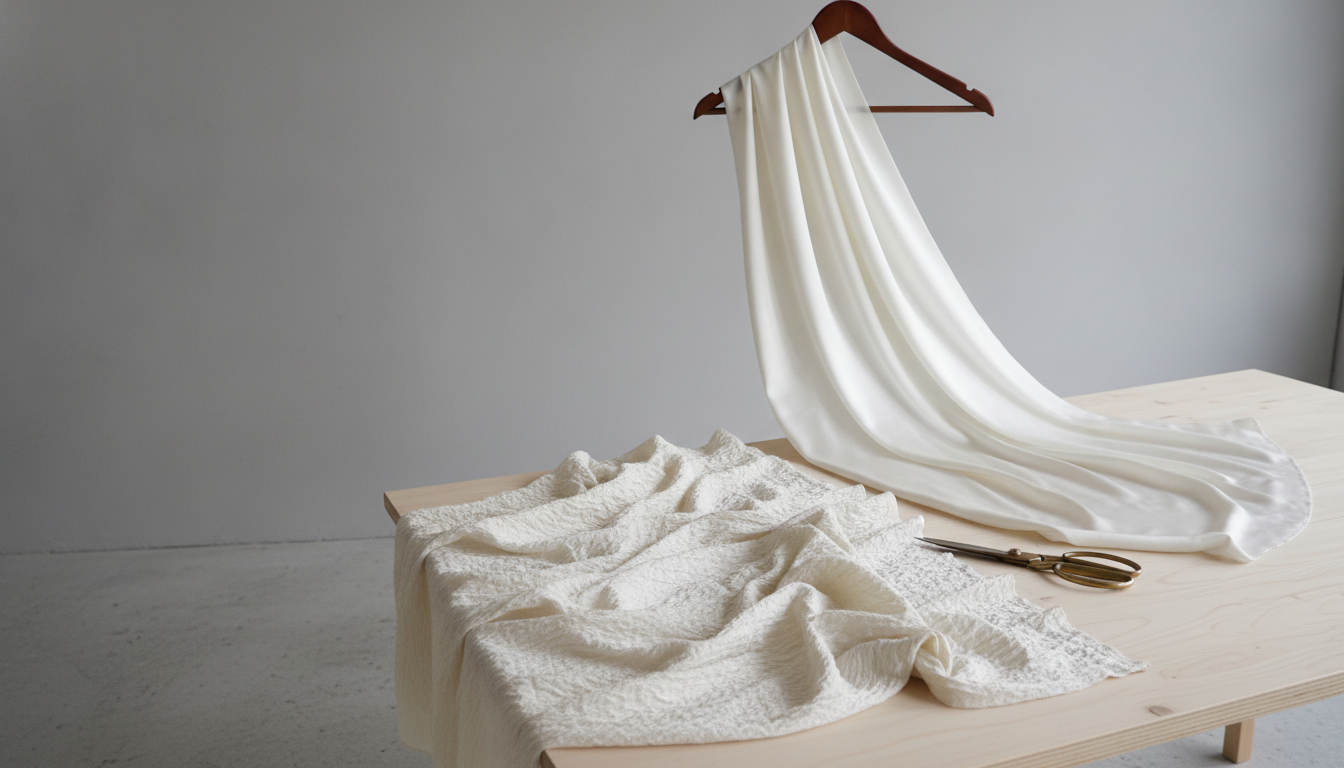
“Silk” is a fiber—most commonly made from silkworm cocoons—while “crepe silk” describes a specific silk fabric made with a crepe construction. In other words, silk can be woven into many finishes (like satin, chiffon, organza, or twill), but crepe silk is defined by its subtly pebbled surface and fluid, slightly springy drape.
The biggest visible difference is texture and sheen. Many classic silk fabrics (especially silk satin) look smooth and glossy, reflecting light with a high shine. Crepe silk has a more matte, softly luminous look with fine grain. That texture helps it skim the body instead of clinging, which is why it’s popular for pieces that need movement and polish without feeling “shiny.”
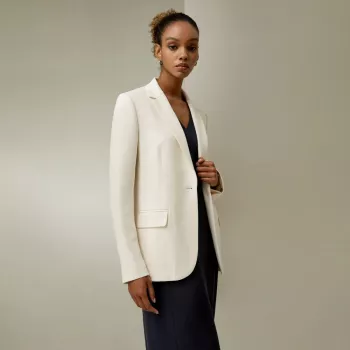
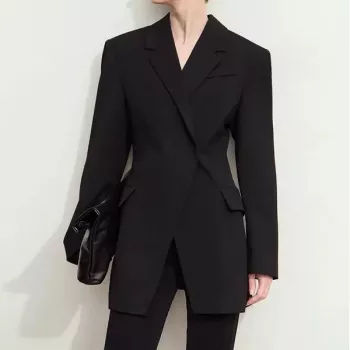
Performance is different, too. Crepe silk’s twist and weave often make it a touch more forgiving—less likely to show every wrinkle or tiny snag compared with ultra-smooth silks. It can also feel slightly more structured while still draping well, making it a strong choice for tailored silhouettes, blazers, and elevated everyday wear.
If you’re deciding between fabrics for a refined, modern look, crepe silk is often the sweet spot between elegance and practicality. For a deeper dive into how heavy silk crepe behaves in real garments, see this guide: https://luxifyo.com/guide-heavy-silk-crepe-blazer-cinched-waist-half-lined/.
FAQ
Is crepe silk good quality?
Yes—crepe silk can be excellent quality, especially when made from long-staple mulberry silk and woven for an even, consistent grain. It’s prized for its drape, subtle luster, and how it resists looking overly wrinkled compared with some smoother silks.
Is silk crepe real silk?
It can be. “Silk crepe” typically means the fiber content is silk, but some fabrics are labeled “crepe” while using polyester or blends, so checking the fiber label is the safest way to confirm.
Can crepe silk be worn in summer?
Yes. Crepe silk can feel breathable and comfortable in warm weather, especially in lighter weights and looser fits. For hot, humid days, prioritize airy silhouettes and minimal lining.











Leave a comment
You must be logged in to post a comment.