Baby Crying in the Car Seat After Feeding? Causes & Fixes
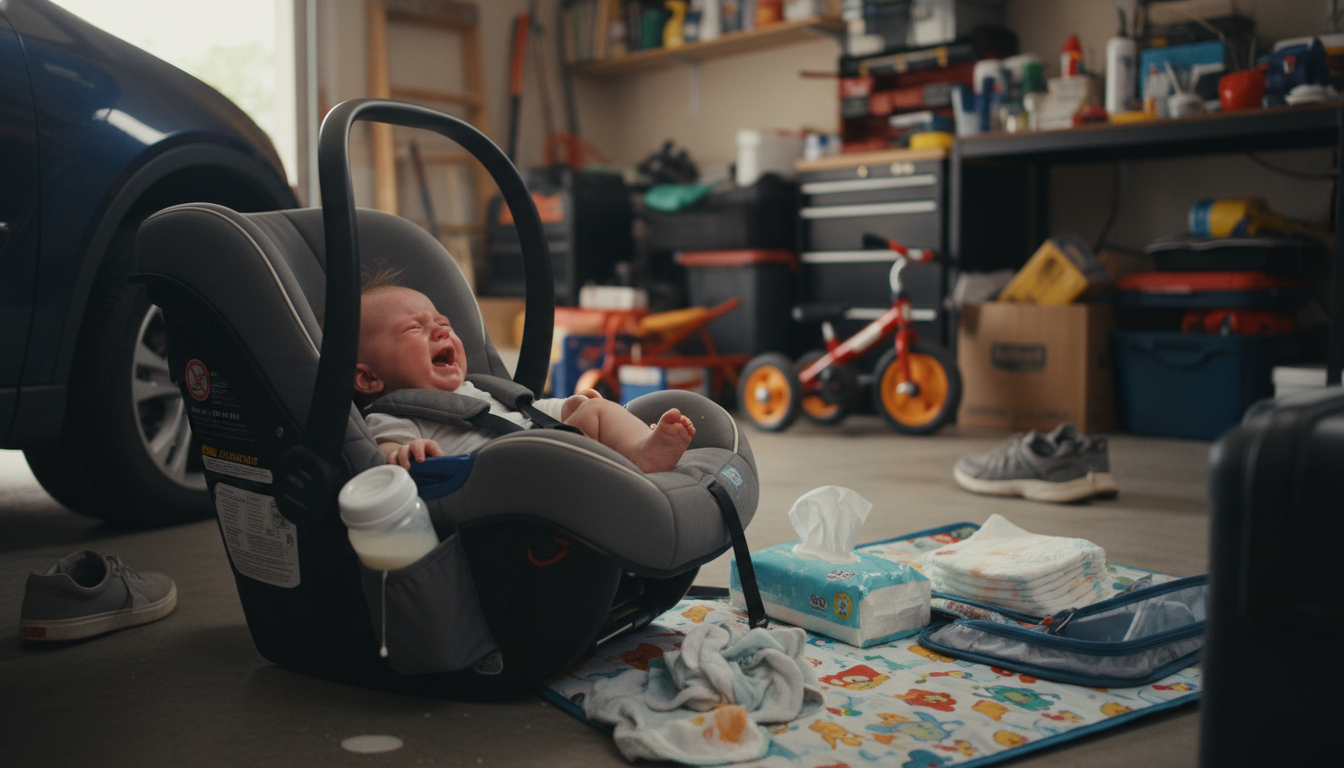
Why does my baby cry in the car seat even when fed and changed?
If your baby is fed, dry, and still wailing the second they buckle in, it’s usually not “for no reason.” Car seats can feel restrictive, overstimulating, or physically uncomfortable in ways that aren’t obvious at first glance. Some babies also associate the seat with leaving a caregiver, stopping play, or simply being unable to see what’s going on—so the crying becomes a protest as much as a discomfort signal.
Common reasons babies cry in the car seat
They’re uncomfortable in the harness or positioning
A snug harness is essential for safety, but twisting straps, a pinched buckle, or clothing that bunches under the straps can irritate sensitive skin. Check that straps lie flat, the chest clip sits at armpit level, and bulky coats aren’t creating pressure points. Also confirm the recline angle is appropriate for your baby’s age so their head doesn’t slump forward.
Motion, reflux, or gas makes the ride feel worse
The semi-reclined position can aggravate reflux or trap gas, especially right after feeding. If crying ramps up soon after meals, try allowing a longer upright break before driving and ask your pediatrician if reflux could be a factor.
They’re too hot, too cold, or overstimulated
Cars heat up fast, and even mild warmth can make a baby miserable. Sun glare, loud road noise, or strong scents can also overwhelm them. Use window shades, keep airflow gentle, and dress baby in light layers you can adjust once buckled.
Separation and boredom
Some babies dislike facing away from you or being unable to move freely. A familiar smell (a clean caregiver-worn shirt nearby, not loose in the seat), a simple car-safe toy, or calm music/white noise can help them settle.
What to do next
Start with a quick comfort check: seat angle, strap routing, flat straps, correct chest clip height, and a temperature check at the back of the neck. If crying is sudden, intense, or paired with vomiting, breathing changes, or poor weight gain, contact your pediatrician. For a deeper breakdown and step-by-step troubleshooting, visit the full guide here.
FAQ
How can I calm my baby in the car without stopping?
Try steady white noise or soft music, offer a pacifier if your baby uses one, and keep the car cool and shaded. If possible, have another adult sit in back briefly to soothe with voice and gentle touch (without loosening the harness).















Leave a comment
You must be logged in to post a comment.