Arc Floor Lamps: Outdated or Still Stylish in 2026?

Are arc floor lamps outdated?
Arc floor lamps aren’t outdated—they’re one of those “design tools” that cycle through styles because they solve a real problem: bringing overhead-style light to a spot that doesn’t have an overhead fixture. What changes over time is the finish, shade shape, and how the lamp fits the room’s overall mood.
Why they still look current
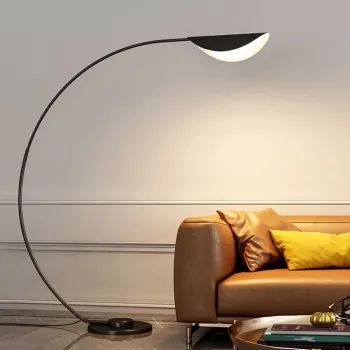
The signature curved arm can make a living room feel intentional by visually framing a sofa, reading chair, or coffee table. That sculptural silhouette still works with today’s interiors, especially when the rest of the decor is clean-lined and uncluttered. In open-concept spaces, an arc lamp can also define a seating area without adding bulky furniture.
When an arc floor lamp can feel dated
Arc lamps tend to look “stuck in the past” when they’re oversized for the room, paired with heavy, shiny finishes, or combined with dated shades. Another common issue is placement: if the arc blocks a walkway or hovers awkwardly over nothing, it reads like an afterthought instead of a statement.
How to style an arc floor lamp so it feels modern
Start with proportion: the arc should reach over the area you want to light, but the base should tuck neatly beside or behind furniture. Matte black, brushed metal, or textured finishes typically feel more current than high-gloss. For a fresh look, pair an arc lamp with layered lighting—add a table lamp or wall light so the arc isn’t doing all the work.
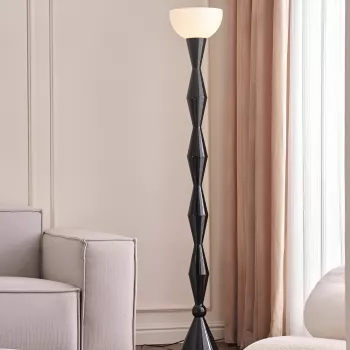
If your aesthetic leans vintage-industrial or medieval-inspired, a darker, geometric fixture can deliver the same “architectural” presence while feeling distinct from the classic arc silhouette. For a strong alternative style option, see the diamond-frame medieval black floor lamp guide here: https://luxifyo.com/guide-diamond-frame-medieval-black-floor-lamp-e27-led-ready/.
FAQ
What’s the best height for a floor lamp next to a sofa?
Aim for the bottom of the shade to sit around eye level when seated, so the bulb isn’t glaring. Many living rooms land in the 58–64 inch range, but adjust based on sofa height and shade depth.









Leave a comment
You must be logged in to post a comment.